How Climate Change Is Impacting Malaria in Kenya
Temperatures are rising across the globe as climate change continues to worsen. Despite commitments to decrease emissions and attempts to stem the bleeding, a certain amount of change is now virtually inevitable. As things get hotter, scientists are predicting the impacts of a changing climate on malaria in Kenya. How might climate change shape the future of this and other vector-borne diseases?
Changes in Mosquito Behavior
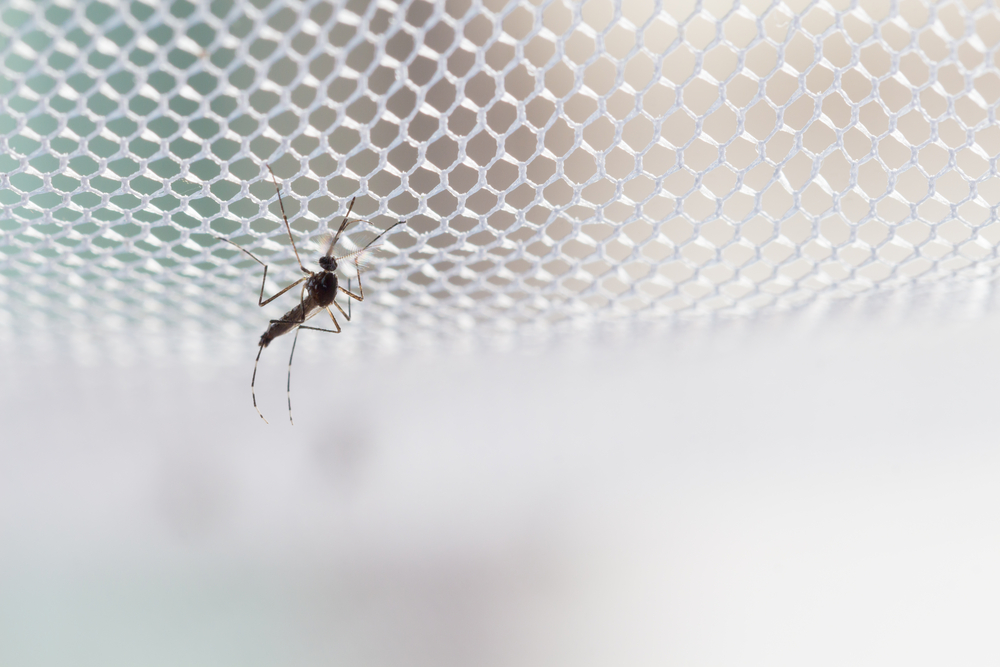
A new study covered in the New York Times found that mosquitoes that can transmit malaria in Kenya and other parts of Africa are moving to higher elevations (approximately 21 feet higher than in the past) and further away from the Equator every year. As a result, malaria is spreading to places where it was not as common before. When mosquitoes move into locations where existing health authorities and governments are unprepared to deal with them, it can lead to more devastating consequences.
Improvements in Weather Data Collection
As the spread of malaria has continued to be exacerbated by climate change, the Kenya Medical Research Institute and the Zoonotic Disease Unit are partnering together to invest in weather stations. These will do a better job of capturing valuable climate data every day so that scientists can track mosquito movement as well as malaria cases in surrounding areas. As more data is collected, scientists are hoping that it can be used to warn residents during periods of high mosquito presence.
How to Stop the Spread of Malaria in Kenya
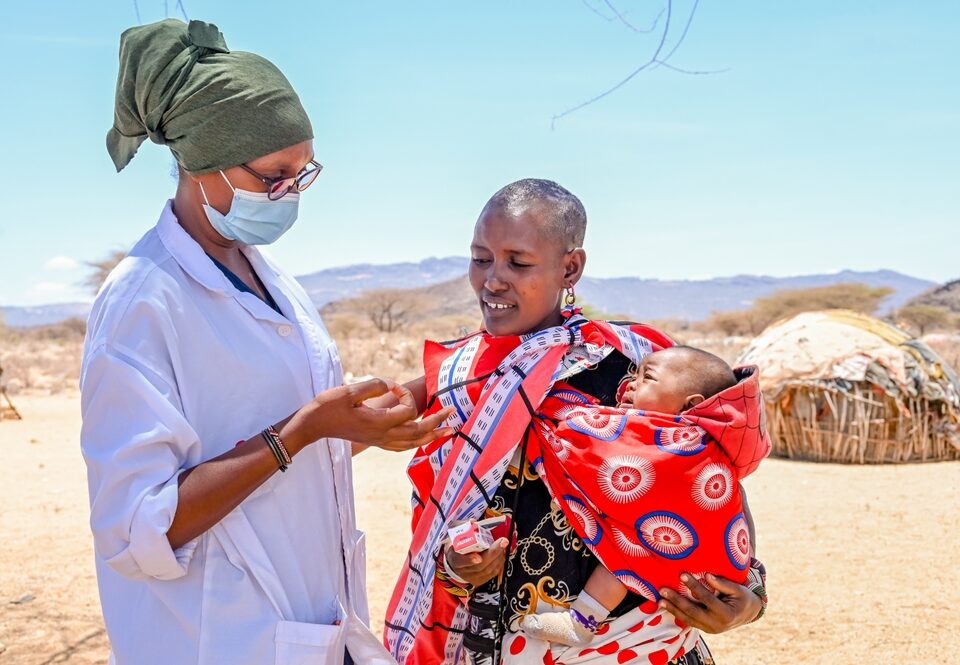
While the malaria vaccine is helping reduce the spread of malaria in Kenya, it is not a cure-all. There are many other factors that need to be considered as other ways of prevention. For example, decreasing breeding sites for mosquitoes can help stop the spread of malaria, dengue, chikungunya, and Rift Valley fever. Preventative care is another key way to stop the spread of malaria in Kenya. Organizations like Sollay Kenyan Foundation are committed to giving every Kenyan access to preventative care, which includes access to things like vaccines that can limit the spread of dangerous diseases and save lives.
To help avoid malaria, Kenyans should:
- Use mosquito nets
- Take the vaccine if offered access to it
- When possible, wear longer sleeves and long trousers after dark to reduce the likelihood of mosquito bites
- Seek prompt medical attention if you have a fever, as malaria can develop up to one year after being exposed
What Are the Signs and Symptoms of Malaria?
It’s important to understand the most common signs and symptoms of malaria. They include:
- Chills
- Fever
- Headaches
- Vomiting or nausea
- Abdominal pain
- Joint or muscle pain
- Rapid heart rate or breathing
- Fatigue
In some cases, people with malaria have periodic malaria “attacks” where they feel chills, high fever, and sweating before returning to normal. This presentation of malaria still requires treatment.
We’re Dedicated to Helping Create a Healthier Kenya
At the Sollay Kenyan Foundation, we believe that every Kenyan’s life matters. Your life matters, and you matter! Sollay Kenyan Foundation is a non-profit that cares about working with communities throughout Kenya to help children, families, and communities receive equal access to the primary care and focused specialty care that they need to thrive. With your support and the support of our existing donors and volunteers, we hope to help the people of Kenya realize their full potential and thrive. To make a donation and learn more, click here.