Vaccination Misinformation: Combating Myths in Kenya

Vaccines are one of the most effective tools in modern medicine, saving millions of lives every year. Yet despite their proven success, vaccine misinformation has become a growing public health challenge worldwide, and Kenya is not immune to this issue. False claims and myths can cause confusion, hesitation, and in some cases, refusal to vaccinate. Addressing vaccine misinformation in Kenya is crucial to improving public trust, increasing vaccination rates, and preventing outbreaks of preventable diseases.
The Impact of Vaccine Misinformation in Kenya
Kenya has made great strides in vaccination programs, especially for diseases like polio, measles, and cervical cancer through the HPV vaccine. However, progress is often undermined by the spread of vaccine misinformation. According to research, hesitancy caused by myths and rumors has led to lower immunization coverage in some regions, particularly rural and underserved areas.
When vaccine misinformation spreads, it discourages parents from taking their children for routine immunizations. For example, false claims that vaccines cause infertility or contain harmful ingredients have circulated in parts of Kenya, creating fear and mistrust. This hesitancy can lead to the return of diseases once under control. Within the past decade, Kenya experienced a measles outbreak in several counties, partly due to gaps in immunization coverage caused by misinformation and access barriers.
Common Myths About Vaccines
Vaccine misinformation in Kenya often comes in the form of myths repeated in communities or religious groups. Some of the most common myths include:
- Vaccines cause infertility or affect reproductive health
- Vaccines are a plot to harm specific people or demographics
- Vaccines contain microchips or other foreign substances
- Children receive too many vaccines, which weakens their immune system
- Natural remedies are better than vaccines for preventing disease
These claims are not supported by scientific evidence, but they can sound convincing when shared by trusted community members or amplified through social media.
Fighting Vaccine Misinformation in Kenya
To address vaccine misinformation, Kenya needs a multi-pronged approach that combines education, communication, and trust-building. Some of the most effective strategies include:
- Community engagement: Local leaders, religious figures, and healthcare workers like the team at Sollay Kenyan Foundation play an essential role in shaping public opinion. When trusted voices share accurate vaccine information, it helps counter misinformation.
- Health education campaigns: The government and NGOs have launched public campaigns to provide factual information about vaccines. Using radio, TV, posters, and community events, these campaigns can reach people where they are.
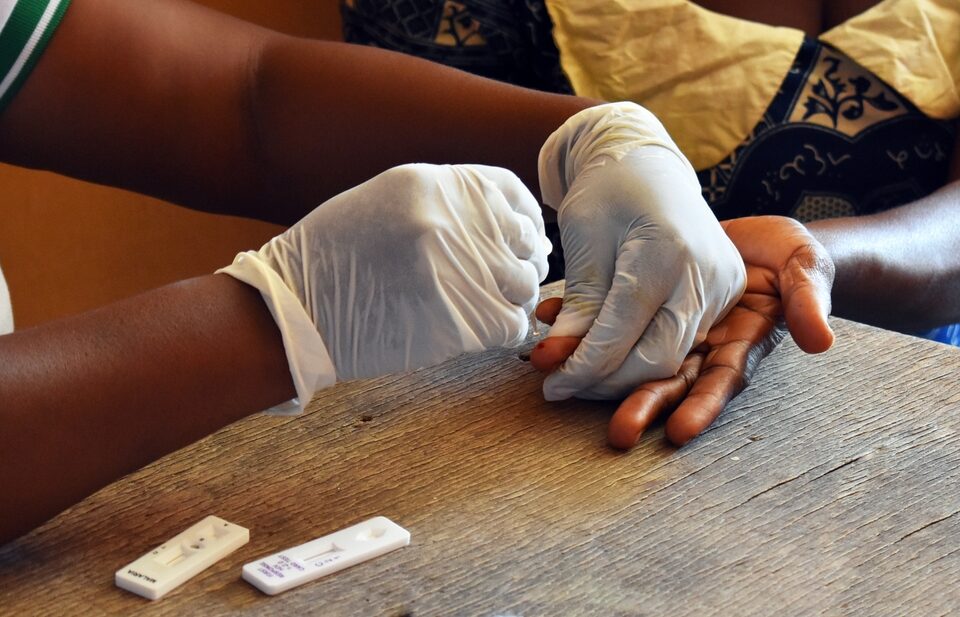
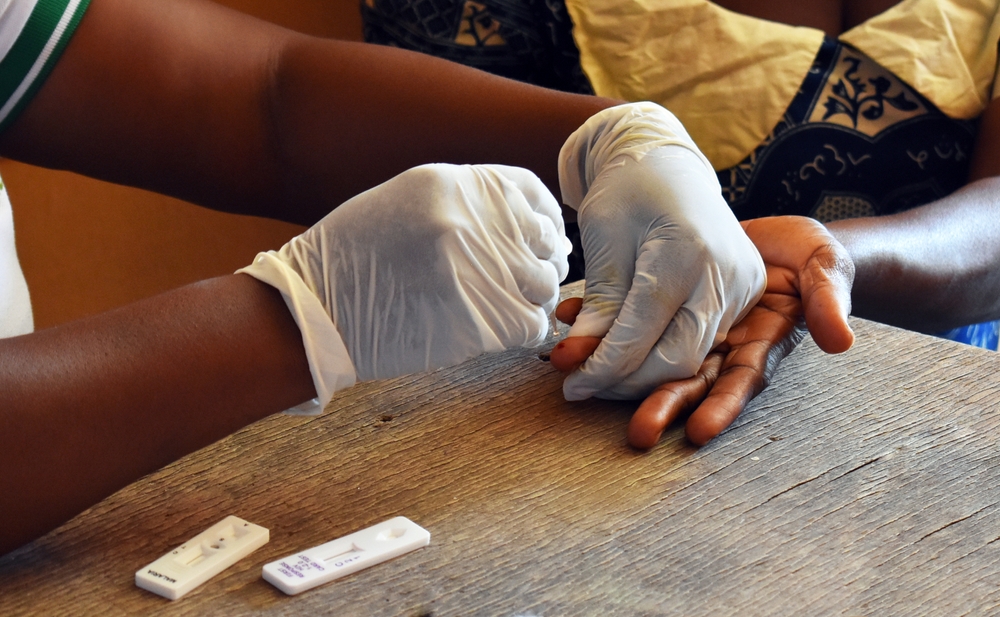
- Improving access to vaccines: Sometimes misinformation thrives because communities have little exposure to healthcare services. Expanding immunization outreach programs and ensuring vaccines are available and affordable can help build confidence.
- Highlighting positive stories: Sharing testimonies from families who have benefited from vaccines can humanize the message and counter negative myths. For example, showing how polio vaccinations have protected generations can inspire parents to trust new vaccines.
Help Provide Excellent Healthcare to All Kenyans
At Sollay Kenyan Foundation, we believe that every Kenyan’s life matters, no matter where they live in the country. Your life matters, and you matter! Sollay Kenyan Foundation is a non-profit that cares about working with communities throughout Kenya to help children, families, and communities receive equal access to the primary care and focused specialty care that they need to thrive. With your support and the support of our existing donors and volunteers, we hope to help the people of Kenya realize their full potential and thrive. To make a donation and learn more, click here.