Kenya’s 2025 Mental Health Policy Goals

Mental health has long been a neglected aspect of public health in many countries, including Kenya. However, that is beginning to change. In recent years, Kenya has taken significant steps to address the growing mental health crisis and long history of stigma through the creation of new national strategies. As we look toward the future, Kenya’s mental health policy goals for 2025 represent a major turning point and an effort to build a more inclusive, compassionate, and resilient society.
Why Mental Health Policy Goals Matter
Mental health affects every part of a person’s life, including their relationships, work, education, and physical health. For too long, stigma, lack of funding, and insufficient services have left many Kenyans suffering in silence. The government’s renewed focus on mental health policy goals reflects an understanding that mental well-being is just as important as physical health. By setting measurable objectives and focusing on system-wide changes, Kenya’s leadership is working to make mental healthcare more accessible, affordable, and effective.
Expanding Access to Mental Health Services
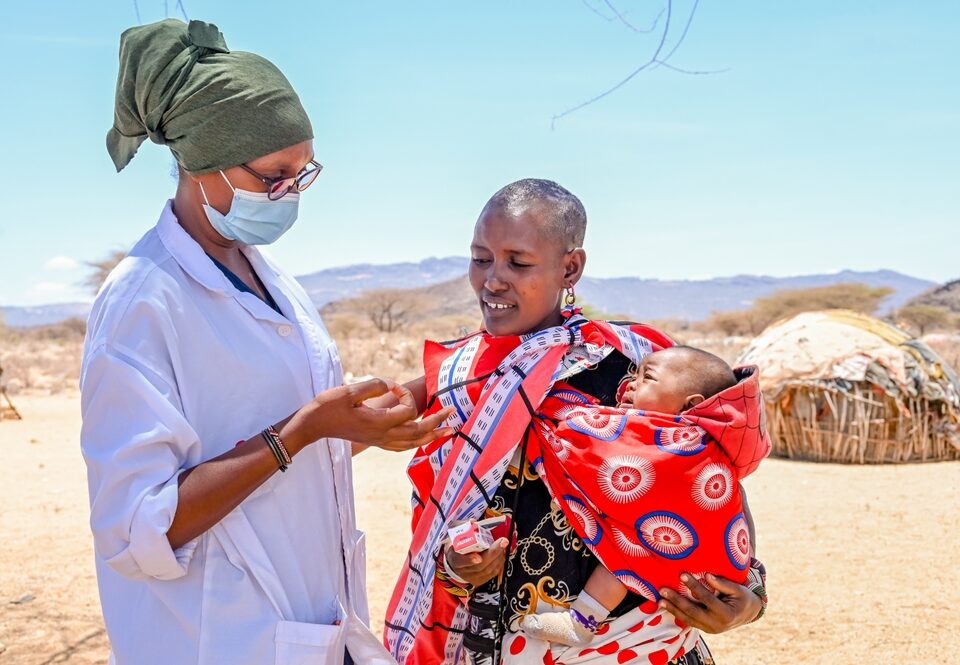
One of the key mental health policy goals for 2025 is to increase access to mental health services, especially in underserved and rural areas. Currently, mental health resources in Kenya are heavily concentrated in Nairobi and a few urban centers, which has left millions of people without care. The government wants to integrate mental health services into primary healthcare facilities, making it easier for people to receive help where they already seek medical care. They have also worked to expand access through online tools like chatbots.
Reducing the Stigma
Stigma remains one of the greatest barriers to mental health care in Kenya. Many individuals fear judgment or discrimination if they admit to having mental health struggles. To combat this, Kenya’s mental health policy goals include nationwide campaigns aimed at education and awareness. By 2025, the government hopes to see a significant increase in public understanding of mental health, encouraging more people to seek help early. Additionally, the decriminalization of suicide this year will greatly help reduce the stigma around depression and suicidal thoughts.
Strengthening the Mental Health Workforce
Another critical focus of Kenya’s 2025 mental health policy goals is growing and supporting the mental health workforce. Kenya currently has a severe shortage of trained professionals, including psychiatrists, psychologists, social workers, and counselors. In fact, one study found that Kenya has fewer than 100 trained, working psychiatrists. Additionally, only 16 out of 47 counties have psychiatrists in the public sector, and none of those counties have psychologists. To address this, Kenya is hoping to expand training programs, scholarships, and professional development opportunities. Organizations like Sollay Kenyan Foundation are also playing a key role in promoting good mental health and making it easier to access high-quality healthcare. For more resources, visit the Ministry of Health’s Taskforce on Mental Health website here.
Help Provide Excellent Healthcare to All Kenyans
At Sollay Kenyan Foundation, we believe that every Kenyan’s life matters, no matter where they live in the country. Your life matters, and you matter! Sollay Kenyan Foundation is a non-profit that cares about working with communities throughout Kenya to help children, families, and communities receive equal access to the primary care and focused specialty care that they need to thrive. With your support and the support of our existing donors and volunteers, we hope to help the people of Kenya realize their full potential and thrive. To make a donation and learn more, click here.