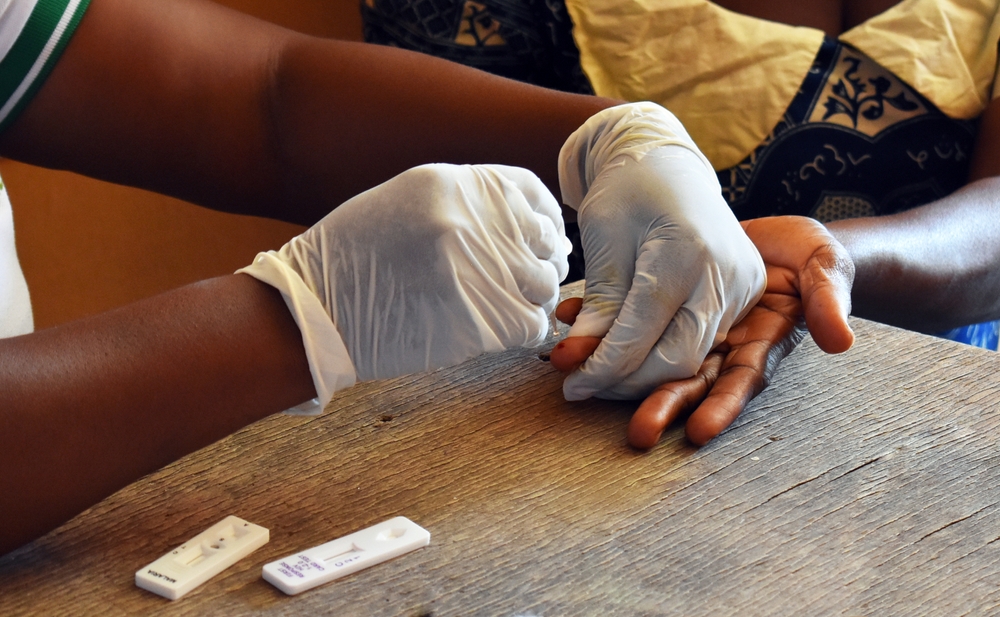
The Growing Burden of Cancer in Kenya: Screening and Treatment Advances
Cancer is a challenge for countries all around the world, and Kenya is one of many nations that is being impacted more and more every year. Over the past two decades, the prevalence of cancer in Kenya has risen steadily, creating a major public health concern. According to the Kenya National Cancer Control Strategy, cancer is the third leading cause of death in the country after infectious and cardiovascular diseases. The World Health Organization (WHO) estimates that more than 44,000 new cases of cancer in Kenya are diagnosed every year, and approximately 32,000 people lose their lives annually to the disease. This growing burden highlights the urgent need for greater awareness, early detection, and access to effective treatment.
Rising Cases of Cancer in Kenya
Cancer in Kenya now accounts for nearly 7% of all deaths, with breast, cervical, prostate, and esophageal cancers being the most common. Women are disproportionately affected by breast and cervical cancers, which together make up more than half of all female cancer cases in the country. Cervical cancer alone claims the lives of over 3,000 women in Kenya annually, despite being one of the most preventable cancers through vaccination and screening.
Men face a different set of risks, with prostate and esophageal cancers ranking among the top causes of cancer-related deaths. Lifestyle factors such as tobacco use, alcohol consumption, poor diet, and limited physical activity contribute to the increasing incidence of cancer in Kenya. Additionally, infections like human papillomavirus (HPV) and hepatitis B are known risk factors for cervical and liver cancers and are common in men.
The Importance of Screening and Early Detection
One of the biggest challenges in managing cancer in Kenya is late diagnosis. More than 70% of patients are diagnosed at advanced stages of the disease, when treatment options are limited and outcomes are poor. This is largely due to a lack of awareness, stigma surrounding cancer, and limited access to screening facilities in rural areas.
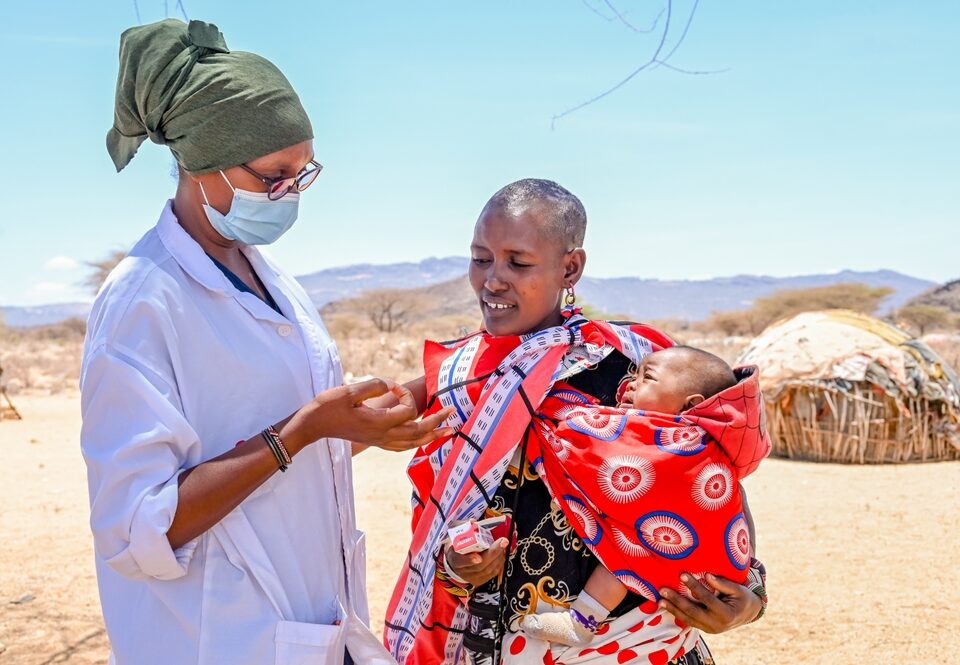
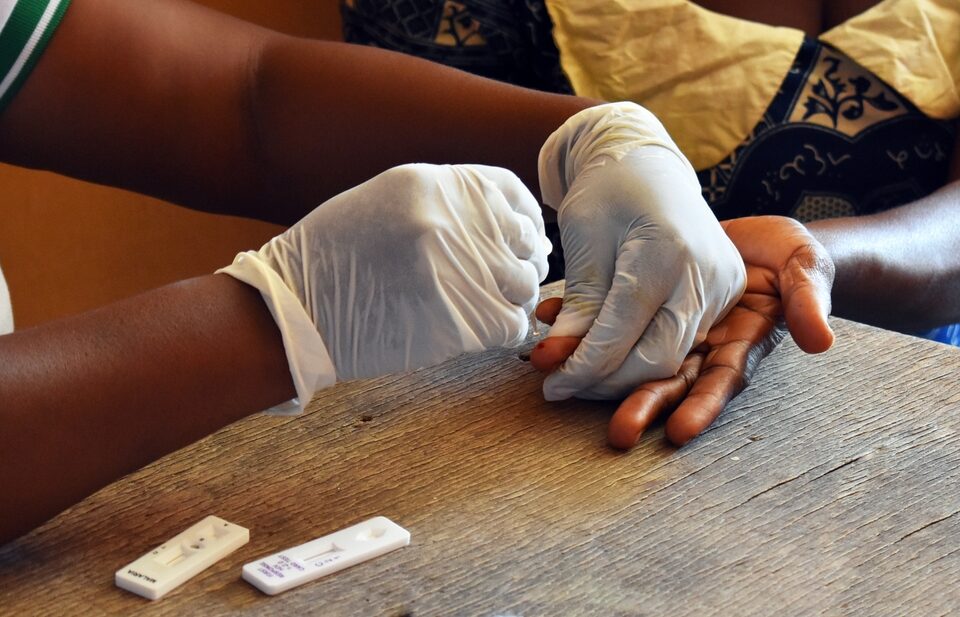
Early detection is critical because it significantly improves survival rates. For instance, when breast cancer is detected at an early stage, the five-year survival rate can exceed 90%. In contrast, late-stage diagnosis reduces survival chances dramatically. Recognizing this, Kenya has taken steps to improve screening services. Public hospitals and community health centers are increasingly offering free or subsidized cervical and breast cancer screenings, while awareness campaigns are encouraging both men and women to undergo regular check-ups.
Challenges Still Remain
Despite these advances, the burden of cancer in Kenya remains heavy. High treatment costs, limited availability of advanced drugs, and a shortage of trained oncologists continue to hinder progress. According to a study, the country has fewer than 100 oncologists to serve a population of more than 50 million people. This shortage means patients often face long waiting times, reducing their chances of successful treatment.
To reduce the burden of cancer in Kenya, a multifaceted approach is essential. Expanding screening programs, especially in rural areas, will ensure early detection. Increasing the number of trained healthcare providers and investing in treatment facilities will improve access to care. Through supporting Sollay Kenyan Foundation, you are supporting a better future for Kenyans with cancer. For more resources, visit the National Cancer Institute of Kenya website here.
Help Provide Excellent Healthcare to All Kenyans
At Sollay Kenyan Foundation, we believe that every Kenyan’s life matters, no matter where they live in the country. Your life matters, and you matter! Sollay Kenyan Foundation is a non-profit that cares about working with communities throughout Kenya to help children, families, and communities receive equal access to the primary care and focused specialty care that they need to thrive. With your support and the support of our existing donors and volunteers, we hope to help the people of Kenya realize their full potential and thrive. To make a donation and learn more, click here.