The Impact of Climate Change on Kenyan Health Issues
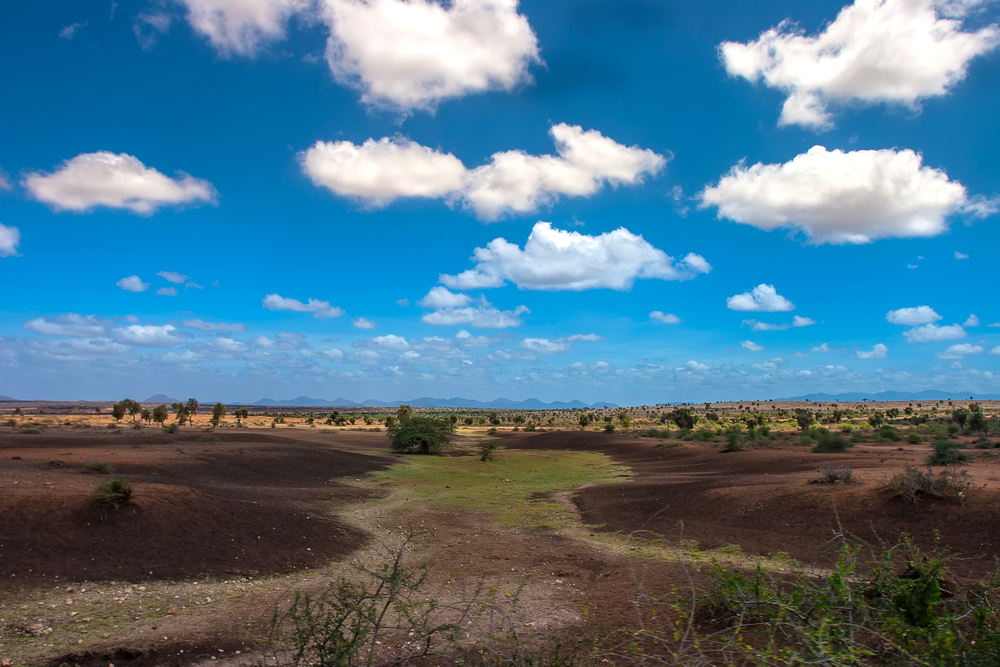
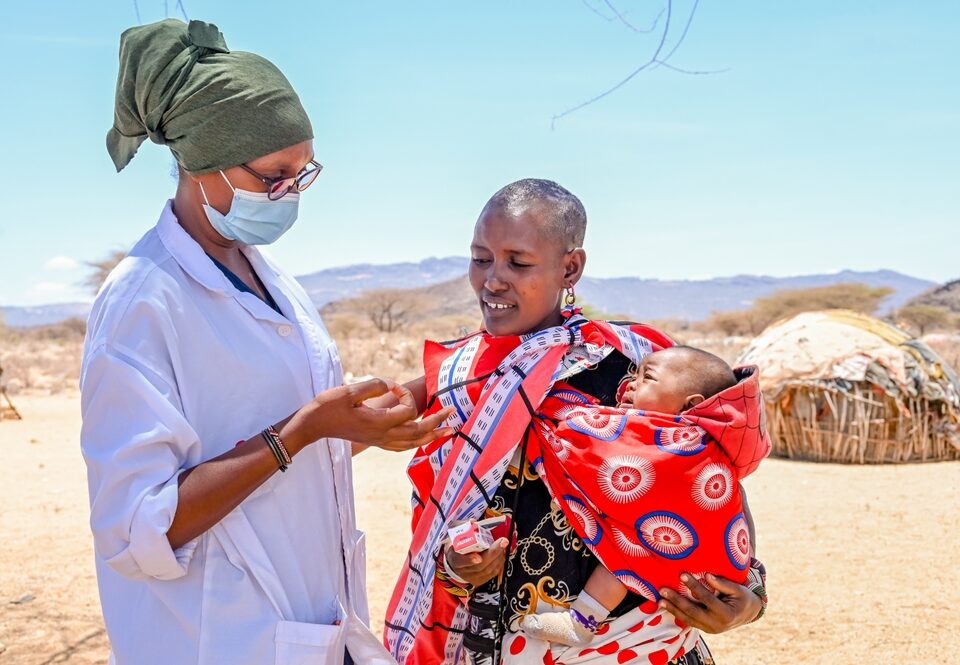
Climate change is no longer a distant threat for anyone living on planet Earth. Instead, it is a present-day crisis that is already affecting lives across Kenya. Rising temperatures, erratic rainfall, and extreme weather events are contributing to a wide range of Kenyan health issues, many of which are made worse because of environmental instability. From the faster spread of infectious diseases to malnutrition, the impact of climate change on public health cannot be ignored.
Rising Temperatures Mean Rising Heat-Related Illnesses
One of the most direct ways climate change is influencing Kenyan health issues is through rising temperatures. As the average temperatures increase, so does the risk of heat-related illnesses like heat exhaustion and dehydration. Children and older adults are at a higher risk of heat-related conditions. Prolonged exposure to high temperatures can also make preexisting conditions like cardiovascular and respiratory diseases worse. Urban areas are especially vulnerable due to the “urban heat island” effect, which boosts local temperatures even further.
Water Scarcity Makes Sanitation More Complex
Erratic rainfall and prolonged droughts have become more common across Kenya. These can disrupt access to clean and safe water, which leads to an increase in waterborne diseases like cholera, typhoid, and dysentery. When families are forced to use unsafe water sources due to scarcity, the risk of disease outbreaks that spiral out of control, especially in rural areas, increases. Poor sanitation and limited hygiene options can make these problems worse. Climate change makes it harder to maintain consistent water quality, which is essential to preventing disease.
Changing Weather Patterns Increase Vector-Borne Disease Spread
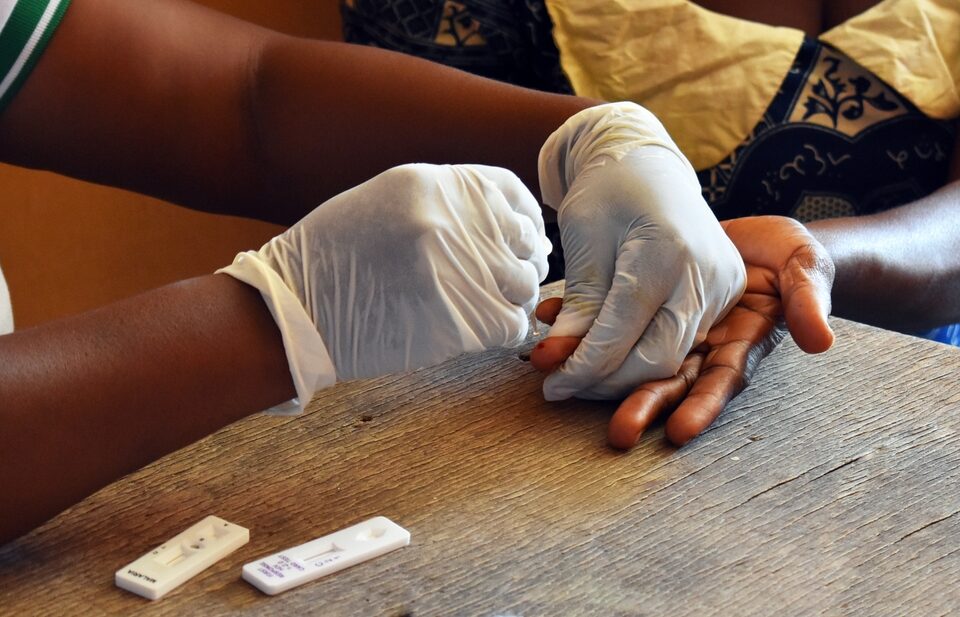
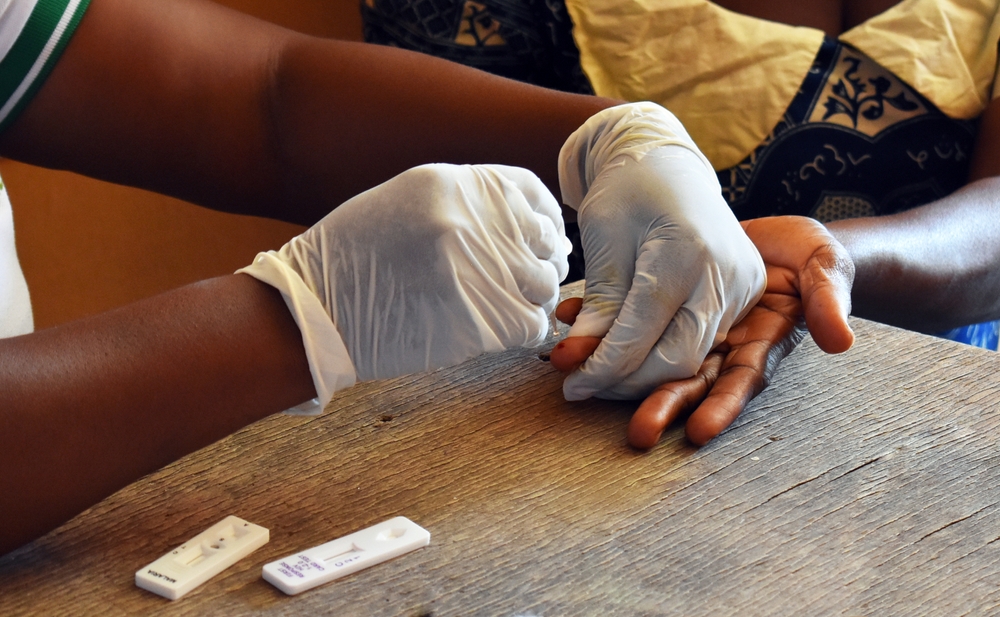
Changing weather patterns have also expanded the reach of mosquitoes and other disease-carrying insects. Malaria, one of the most serious Kenyan health issues, is spreading into areas that were previously too cool for mosquito populations to thrive. Regions like the highlands are now experiencing increased transmission rates. In the same vein, diseases like dengue fever are becoming more common in parts of the country. Climate change creates ideal breeding conditions by increasing standing water and humidity, creating new public health challenges.
Climate Change Impacts Agriculture and Food Security
Climate change is also taking a toll on agriculture, which is one of Kenya’s most important economic sectors. Droughts, floods, and unpredictable rainfall patterns reduce crop yields and can flood and destroy crops. As a result, malnutrition remains one of the persistent Kenyan health issues. Poor nutrition weakens the immune system, which in turn increases susceptibility to disease. Climate-induced food shortages also cause price spikes, making food unaffordable for many families.
Climate-Related Disasters Lead to Displacement and Systemic Strain
Climate-related disasters like flooding often lead to temporary or permanent displacement and move families into overcrowded camps or informal shelters. These places can rapidly become hotspots for communicable diseases. Overburdened health systems also struggle to keep up with rising demand after a disaster, leaving many without access to basic care. As more people are displaced due to climate-related events, things will continue to worsen. That’s why supporting organizations like Sollay Kenyan Foundation is even more critical today. For more resources, visit UNICEF Kenya and the Ministry of Health.
Help Provide Excellent Healthcare to Every Kenyan
At Sollay Kenyan Foundation, we believe that every Kenyan’s life matters, no matter where they live in the country. Your life matters, and you matter! Sollay Kenyan Foundation is a non-profit that cares about working with communities throughout Kenya to help children, families, and communities receive equal access to the primary care and focused specialty care that they need to thrive. With your support and the support of our existing donors and volunteers, we hope to help the people of Kenya realize their full potential and thrive. To make a donation and learn more, click here.