The Top Myths About TB in Kenya

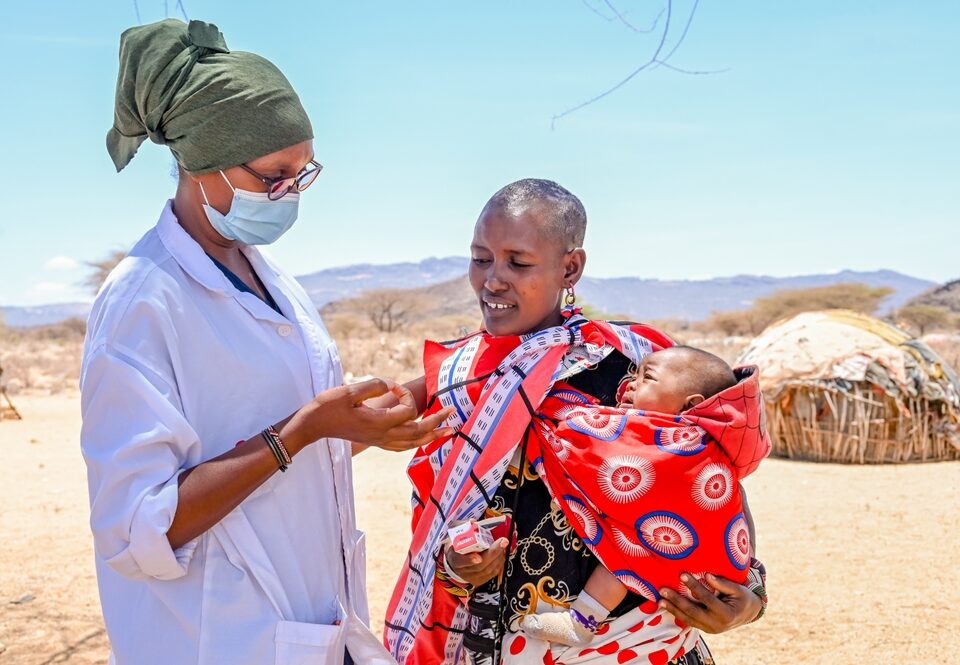
Tuberculosis (TB) remains a significant public health issue in Kenya, with the country having over 120,000 people every year who develop the illness. TB in Kenya is the fourth largest cause of death, and nearly two people every hour die from TB. Despite efforts to combat the disease, many myths and misconceptions persist, which hinder effective prevention and treatment efforts. What are the truths behind some of the most common myths about TB in Kenya?
Myth 1: TB Is Always Fatal
One of the most pervasive myths about TB is that it is always fatal. While TB is a serious disease, it is curable with proper treatment. Reports indicate that with appropriate care, the treatment success rate for TB in Kenya is about 77% for drug-sensitive TB cases. Additionally, advances in medical science, such as the development of more effective antibiotics, have significantly reduced TB mortality rates.
Myth 2: TB Only Impacts the Lungs
While pulmonary TB which affects the lungs is the most common form of the disease, TB can also affect other parts of the body, such as the kidneys, spine, and brain. This is known as extrapulmonary TB. According to samplings in research studies, anywhere from 12-20% of TB in Kenya is extrapulmonary. It is important to recognize that TB can manifest in various ways, so patient education and healthcare provider education are important for an accurate and quick diagnosis.
Myth 3: TB Is Highly Contagious and Spreads Very Easily
TB is an infectious disease, but it does not spread as rapidly and easily as some people believe. TB is transmitted through airborne particles when a person with active TB of the lungs coughs, sneezes, or talks. However, prolonged and close contact is usually necessary for transmission. Casual contact, such as shaking hands or sharing food, does not spread TB. Simple preventative steps, like proper ventilation and wearing a mask, can significantly reduce the risk of transmission. Stopping the spread of TB is not hopeless!
Myth 4: TB Treatment Costs Too Much Money
Many people believe that TB treatment is unaffordable. Sadly, this can stop them from getting life-saving treatment early and lead to poor outcomes. In reality, TB treatment is provided for free in Kenya’s public health facilities, as it is subsidized by the Ministry of Health. To get in touch with someone at the National Tuberculosis, Leprosy, and Lung Disease Program in Kenya, call +254-20-2717077, click here, or email info@nltp.co.ke. Additionally, organizations like the Sollay Kenyan Foundation are working hard to ensure that TB diagnosis and treatment are accessible to everyone. The biggest challenge facing TB in Kenya is not the cost of treatment but ensuring that patients adhere to the full course of medication to prevent drug resistance. We are here to help!
How Kenyans Can Avoid TB
To avoid tuberculosis (TB), Kenyans can take several preventive measures:
- Get vaccinated with the Bacillus Calmette-Guérin (BCG) vaccine
- Ensure good ventilation in living spaces to reduce the spread of airborne bacteria
- Maintain a healthy lifestyle, including a balanced diet and regular exercise, to strengthen your immune system
- Practice good hygiene, such as covering the mouth when coughing and washing hands
- Avoid close contact with individuals who have active TB
Stop the Spread of Preventable Illnesses in Kenya
At the Sollay Kenyan Foundation, we believe that every Kenyan’s life matters. Your life matters, and you matter! Sollay Kenyan Foundation is a non-profit that cares about working with communities throughout Kenya to help children, families, and communities receive equal access to the primary care and focused specialty care that they need to thrive. With your support and the support of our existing donors and volunteers, we hope to help the people of Kenya realize their full potential and thrive. To make a donation and learn more, click here.