Progress in Fighting Malnutrition in Kenya
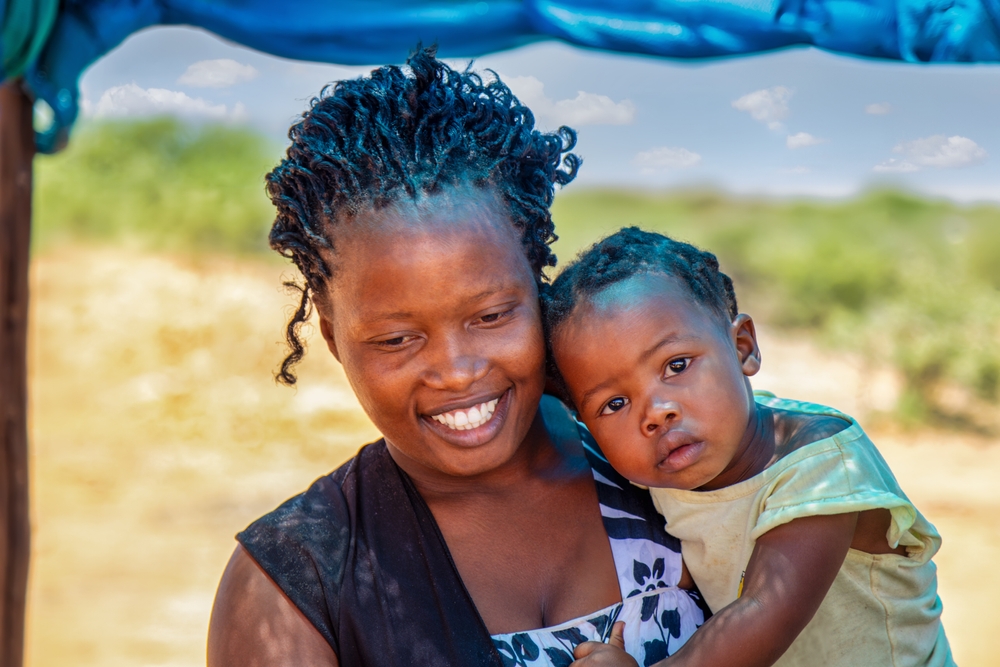
Malnutrition in Kenya has been a problem for a long time, but great strides are being made in terms of fighting malnutrition. For example, the prevalence of stunting among children under the age of five has decreased from 26% in 2014 to 18% in 2022, which shows that more children are getting access to the nutrition that they need. While there is still progress to be made, malnutrition in Kenya is improving.
Understanding Malnutrition in Kenya
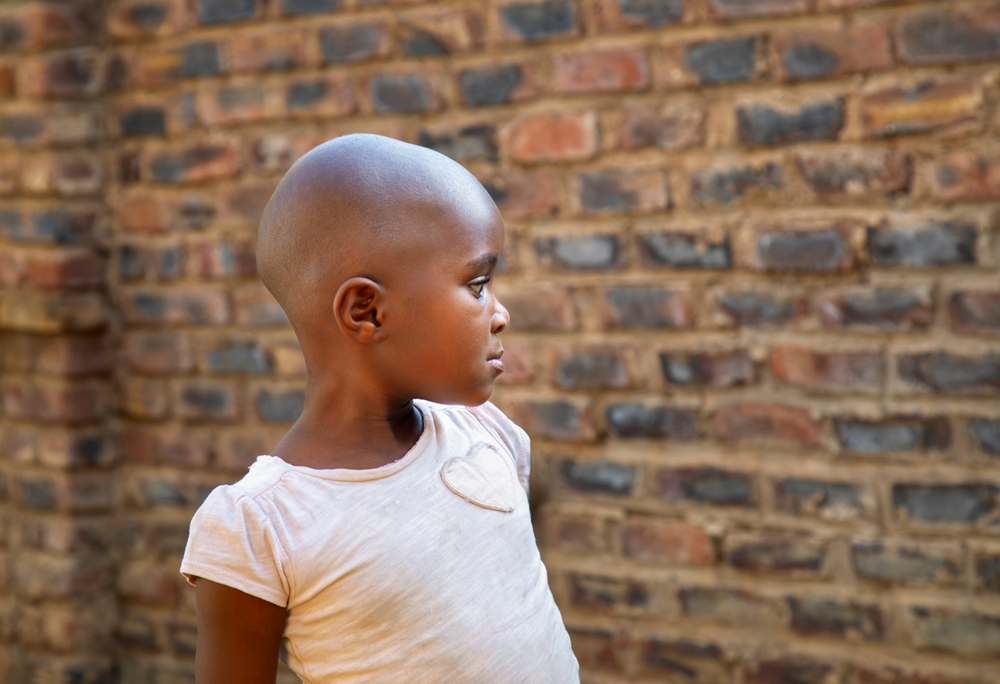
Malnutrition in Kenya is primarily known as undernutrition, which includes conditions like stunting, wasting, and micronutrient deficiencies. Stunting, a form of malnutrition where children are smaller than expected for their age and which results from chronic undernutrition, affects approximately 18% of children under the age of five. Wasting, a sign of acute undernutrition, impacts about 4% of children, while micronutrient deficiencies, which include a lack of critical minerals and nutrients and lead to conditions like anemia and vitamin A deficiency, are prevalent among both children and women.
The causes of malnutrition in Kenya are multifaceted, and they include factors like poverty, food insecurity, inadequate dietary diversity, and poor healthcare. These factors are often exacerbated by environmental challenges, such as droughts and floods, which can disrupt food production and access to clean water. Tackling malnutrition in Kenya is not as simple as fixing one problem. Instead, it’s about finding numerous solutions to help everyone thrive.
How the Government Has Helped
The Kenyan government has implemented several policies and programs to address malnutrition in Kenya. One of the key initiatives is the National Nutrition Action Plan (NNAP), which outlines strategic objectives to improve nutrition outcomes across the country. The NNAP focuses on promoting optimal maternal, infant, and young child nutrition, as well as improving a variety of nutrition targets, including low birthweight and anemia.
In addition to the NNAP, the government has integrated nutrition into other national policies, such as the Vision 2030 development agenda. These policies emphasize the importance of nutrition as a critical component of health and economic development, underscoring the need for a comprehensive approach to tackling malnutrition in Kenya.
Progress Is Being Made
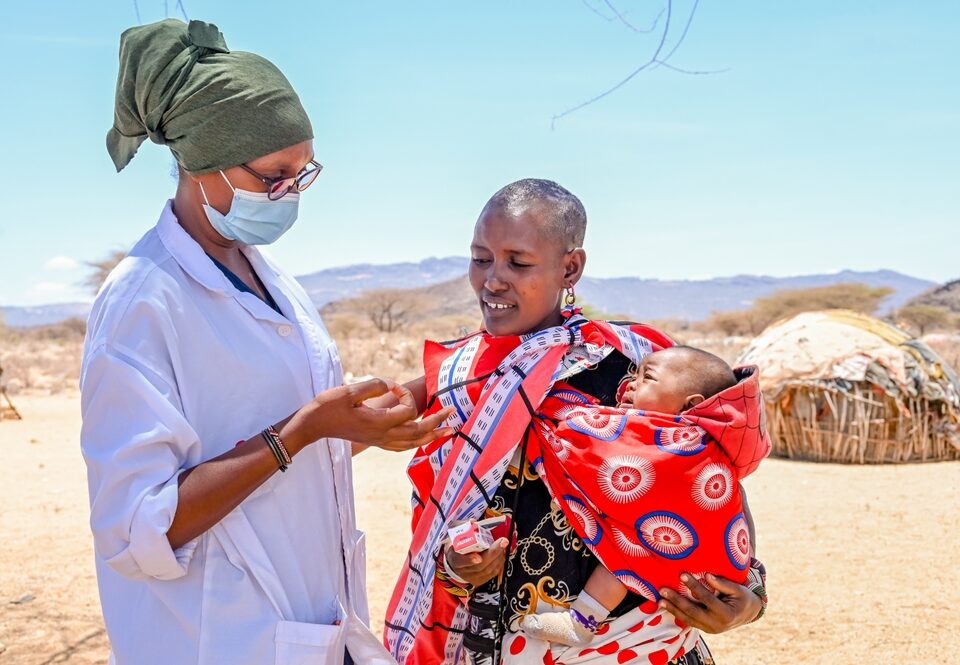
Significant progress has been made in reducing malnutrition in Kenya over the past decade. According to the Kenya Demographic and Health Survey (KDHS), the prevalence of stunting among children under five decreased from 26% in 2014 to 18% in 2022. Currently, 11% of children are underweight, with 4% suffering from wasting. These improvements can be attributed to the coordinated efforts of the government, communities, and international partners like the Sollay Kenyan Foundation to address the underlying causes of malnutrition in Kenya. Increased access to healthcare, improved maternal and child nutrition practices, and enhanced food security have all been positive factors.
Challenges and the Way Forward
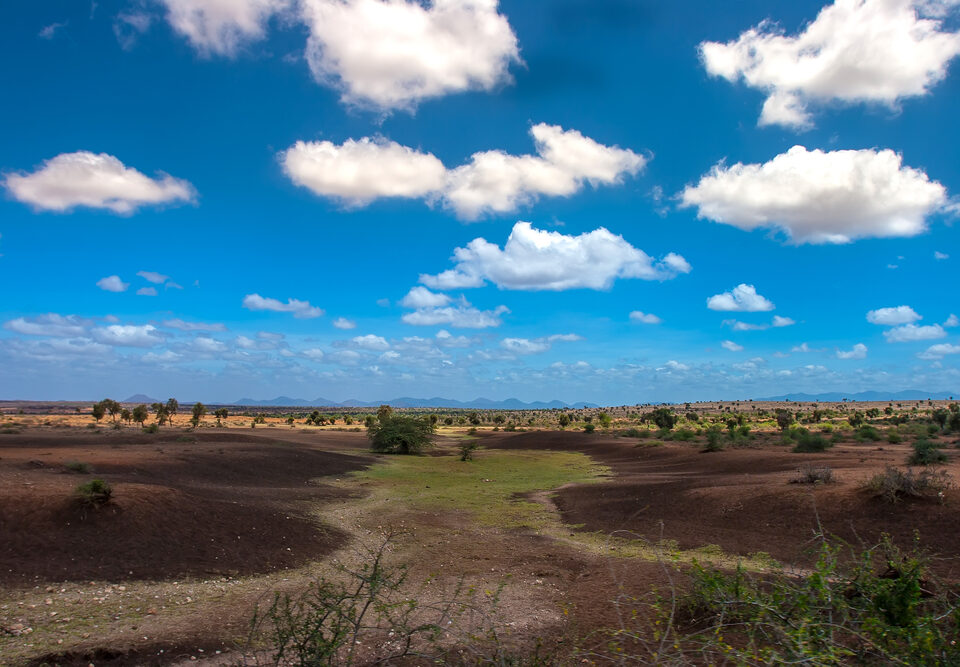
Despite the progress being made, malnutrition in Kenya remains a significant challenge, particularly in arid and semi-arid regions where food insecurity is prevalent. Climate change, population growth, and economic disparities continue to pose threats to solving malnutrition in Kenya. To sustain and accelerate progress, it is crucial to prioritize investment in nutrition programs and organizations that are working to improve healthcare access throughout Kenya, like the Sollay Kenyan Foundation. If you are experiencing malnutrition, you should reach out to the Ministry of Health Division of Nutrition and Dietetics by calling +254-20-2717077 or clicking here.
Help Reverse Malnutrition in Kenya
At the Sollay Kenyan Foundation, we believe that every Kenyan’s life matters. Your life matters, and you matter! Sollay Kenyan Foundation is a non-profit that cares about working with communities throughout Kenya to help children, families, and communities receive equal access to the primary care and focused specialty care that they need to thrive. With your support and the support of our existing donors and volunteers, we hope to help the people of Kenya realize their full potential and thrive. To make a donation and learn more, click here.