Maternal Mortality Reduction Strategies in Kenya

Currently, Kenya’s maternal mortality rate stands at 355 deaths for every 100,000 live births. This means that, based on the number of children being born every year, there are almost 5,000 women who die as a result of pregnancy or childbirth complications. While this number is high, it used to be higher, and the maternal mortality rate is decreasing thanks to a variety of maternal mortality reduction strategies.
What Is Maternal Mortality?
Maternal mortality is used to describe the deaths of a woman during pregnancy, childbirth, or within 42 days of the termination of pregnancy, due to or aggravated by pregnancy or childbirth. Historically, the maternal mortality rate in Kenya has been alarmingly high, with figures sometimes exceeding 400 deaths per 100,000 live births. Some of the most common factors that have worsened this statistic include poor access to healthcare, a lack of skilled birth attendants, and socioeconomic barriers like poverty and education. Despite many complex challenges, Kenya has made significant strides in reducing maternal mortality over the past decade. How have things improved?
Better Healthcare Infrastructure and Access
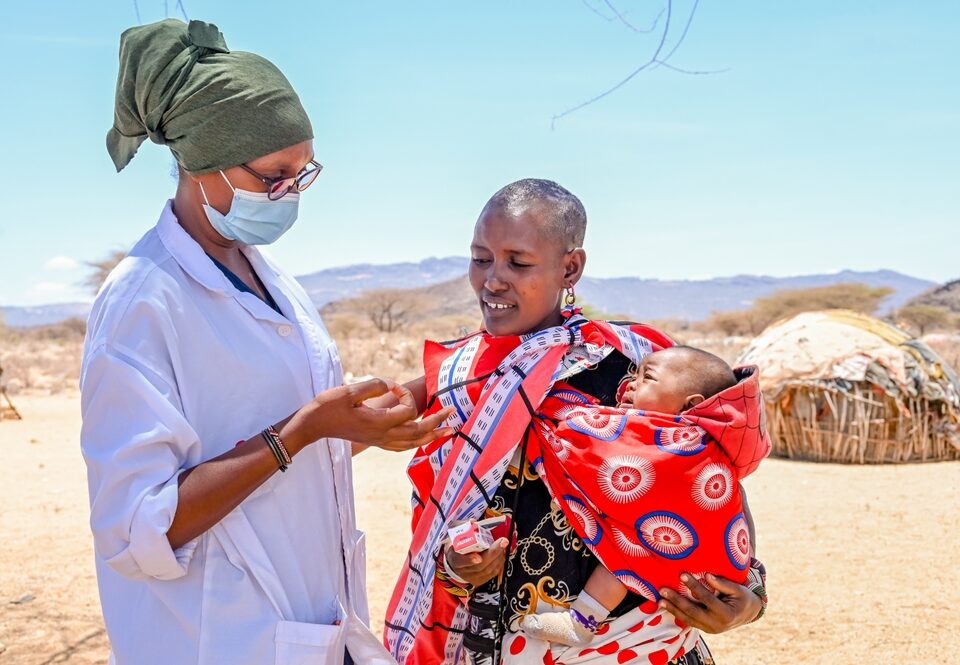
One of the most important strategies for reducing maternal mortality in Kenya has been the strengthening of healthcare infrastructure, particularly in rural and underserved areas. The government has focused on expanding access to healthcare facilities and improving the quality of care provided. Additionally, many organizations like Sollay Kenyan Foundation have committed to improving access to prenatal, maternity, and post-birth care for women. By increasing the number of skilled healthcare providers, including doctors, nurses, and midwives, who are trained to handle complications during pregnancy and childbirth, women have a better chance of surviving pregnancy and having healthy children.
Encouraging Skilled Birth Attendants
Another significant factor in reducing maternal mortality in Kenya has been ensuring that women have access to skilled birth attendants during delivery. In Kenya, traditional birth attendants have played a significant role in childbirth, particularly in rural areas. However, they often lack the necessary training to manage complications. To address this issue, organizations and the government have been working to train and integrate skilled birth attendants into more rural areas. Additionally, the government has promoted the use of health facilities for childbirth.
Improving Maternal Health Education
Education and awareness play a critical role in reducing maternal mortality throughout the world by empowering women and their families to make informed decisions. In Kenya, efforts have been made to educate communities about the importance of prenatal care, skilled birth attendants, and recognizing warning signs during pregnancy. Non-profits have been instrumental in this effort through outreach programs that raise awareness about maternal health and encourage women to seek care early in their pregnancies. Additionally, the government has implemented public health campaigns. Over the past 20 years, the newborn mortality rate has dropped 33% partially due to these initiatives.
Addressing Socioeconomic Barriers
Socioeconomic factors, such as poverty, education, and gender inequality, are significant contributors to maternal mortality in Kenya. To address these challenges, the government has implemented programs aimed at improving the overall socioeconomic status of women.
One such initiative is the Free Maternity Service (FMS) policy introduced in 2013, which provides free access to maternal healthcare services in public health facilities. This policy has significantly reduced the financial barriers that prevent many women from seeking care during pregnancy and childbirth. The Kenya Health Federation’s Wheels for Life program also offers free resources for pregnant women. To get in touch with someone at Wheels for Life, call the 1196 toll-free line or email wheelsforlife@khf.co.ke.
Help Reduce Maternal Mortality in Kenya
At the Sollay Kenyan Foundation, we believe that every Kenyan’s life matters. Your life matters, and you matter! Sollay Kenyan Foundation is a non-profit that cares about working with communities throughout Kenya to help children, families, and communities receive equal access to the primary care and focused specialty care that they need to thrive. With your support and the support of our existing donors and volunteers, we hope to help the people of Kenya realize their full potential and thrive. To make a donation and learn more, click here.