Kenya’s Current Energy Crisis
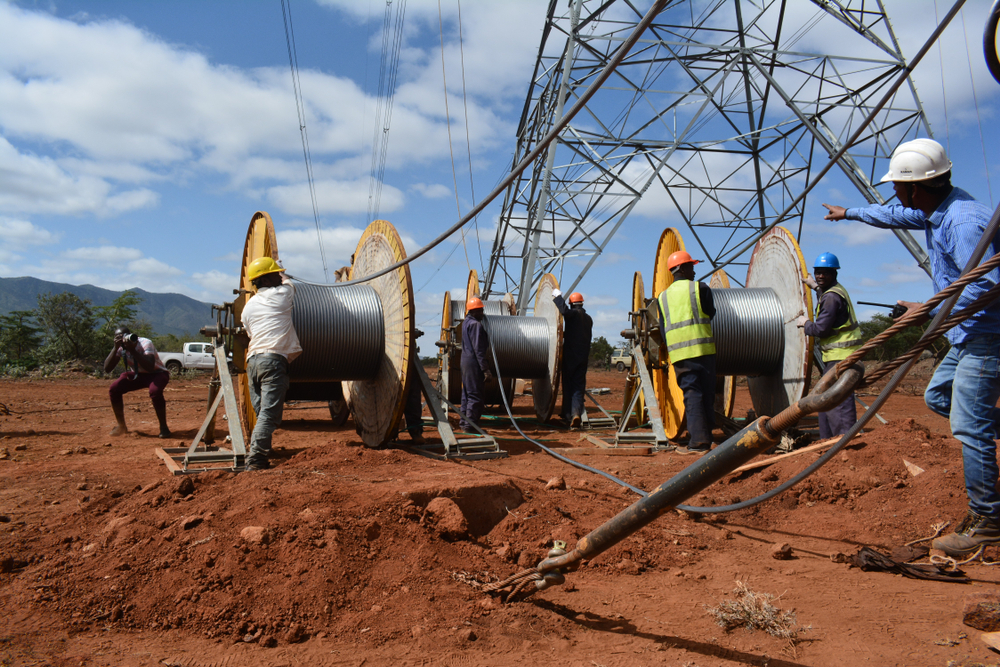
Kenya is a fast-growing economy, which means that it also has a fast-growing energy requirement. Throughout Africa, many countries are struggling to get access to energy at all, let alone clean energy. Currently, over 600 million Africans cannot reliably access electricity. This prevents economic growth and can also negatively impact Kenyans in many other ways. What challenges are Kenyans currently facing?
The Current Energy Landscape
Kenya has made remarkable progress in diversifying its energy sources over the last two decades. Currently, around 90% of the country’s energy comes from renewable sources, particularly geothermal, hydroelectric, and wind power. The country’s Olkaria Geothermal Plant is one of the largest geothermal facilities in the world.
However, despite these advancements, approximately 16% of the population still lacks access to reliable electricity. Many rural areas depend on traditional fuels like firewood and charcoal, which can be unsustainable and hazardous to health. The distribution of energy resources remains uneven, with rural regions bearing the brunt of energy scarcity.
Challenges Facing Kenya: Climate Change and Accessibility
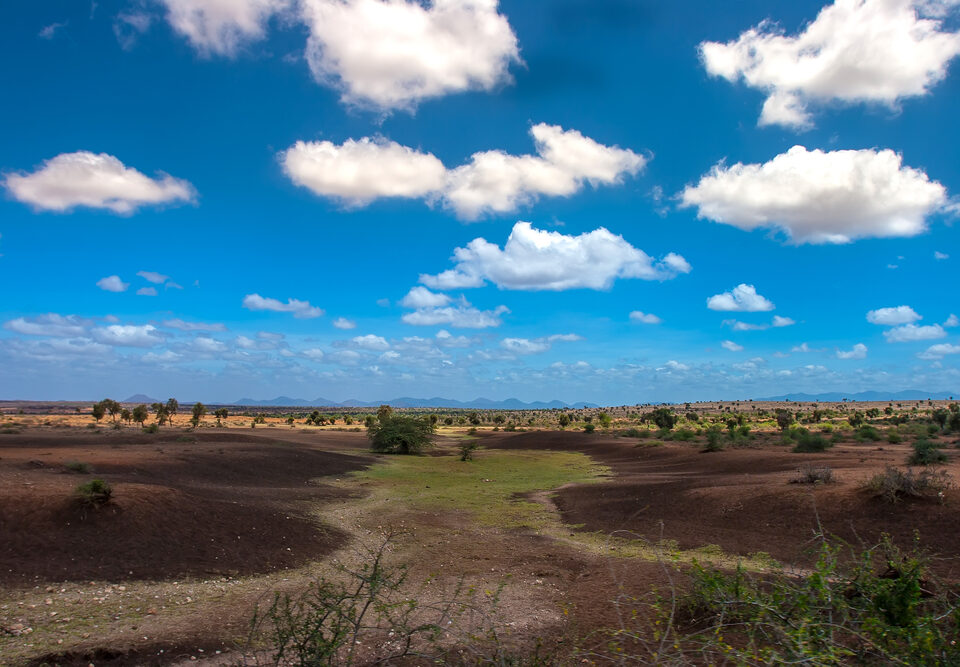
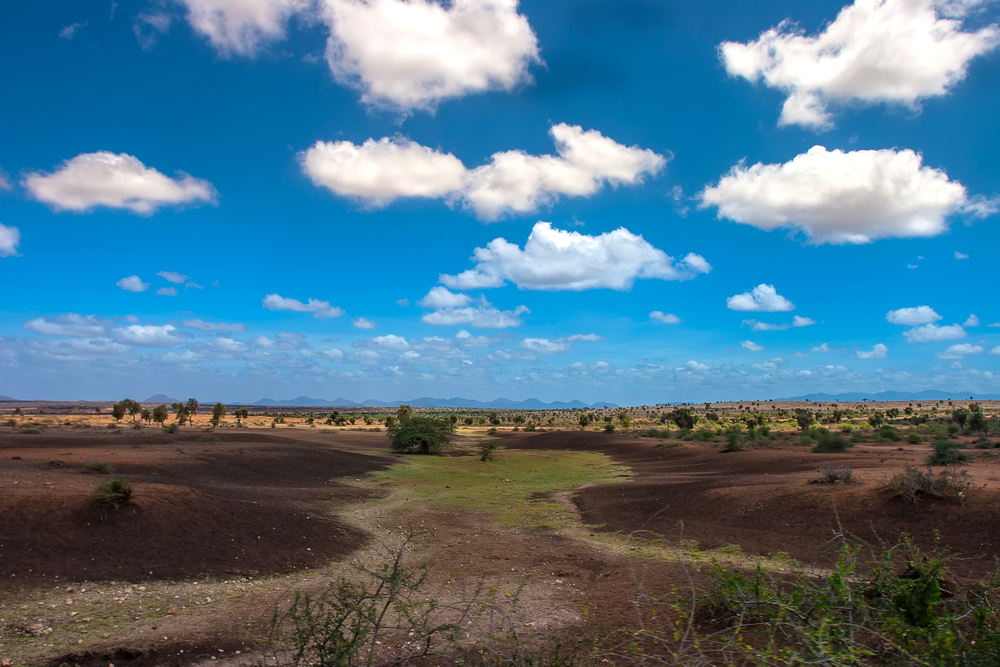
A significant portion of Kenya’s electricity comes from hydropower. However, the reliance on water-based energy production is increasingly becoming a challenge due to the adverse effects of climate change. Droughts and erratic rainfall patterns lead to reduced water levels, which then decreases hydroelectric output. This leads to power outages and increased pressure on other energy sources like thermal power.
Another energy challenge facing Kenya is a lack of connectivity to rural areas. Infrastructure development, especially in remote regions, is hampered by difficult terrain and the high costs of expanding the national grid. The cost of electricity for more rural and isolated households is also prohibitive for many Kenyans, which leaves millions without access to the grid. While Kenya is leading the pack in East Africa in terms of electricity access, there is still work to be done.
The Growing Cost of Electricity
Despite an increasing share of renewable energy, the cost of electricity remains high for Kenyan households and businesses. There have been recent protests due to an electricity monopoly in Kenya, especially in the wake of blackouts. The issue of high energy costs is nothing new, as Kenyans have been concerned about electricity bills for years. High tariffs have placed additional financial strain on homeowners and business owners looking to use electricity.
Opportunities for Improvement and Addressing the Energy Crisis
Kenya’s geothermal resources remain one of its strongest assets in addressing the energy crisis. With an estimated potential of over 10,000 megawatts, expanding geothermal power can significantly reduce the country’s dependency on other types of power. Solar energy also presents an excellent opportunity, especially in the arid and semi-arid regions where sunlight is abundant. Investing in off-grid solar solutions for rural areas can provide affordable and clean energy for communities not connected to the national grid.
Kenya also has numerous opportunities to invest in nuclear power and recycling for energy, as well as leveraging solar power and wind power in some parts of the country. The first nuclear plant is currently being built in Kilifi County. Despite being a great candidate for wind power, it only makes up about 16% of the current electrical power. There are numerous wind power generation centers under development, as well as three current large wind farms.
Additionally, enhancing transparency and accountability within Kenya’s energy sector is critical to addressing inefficiencies and price gouging. Establishing stronger regulations and monitoring mechanisms can reduce corruption and ensure that public funds are utilized effectively.
Help Protect Kenyan Access to Healthcare
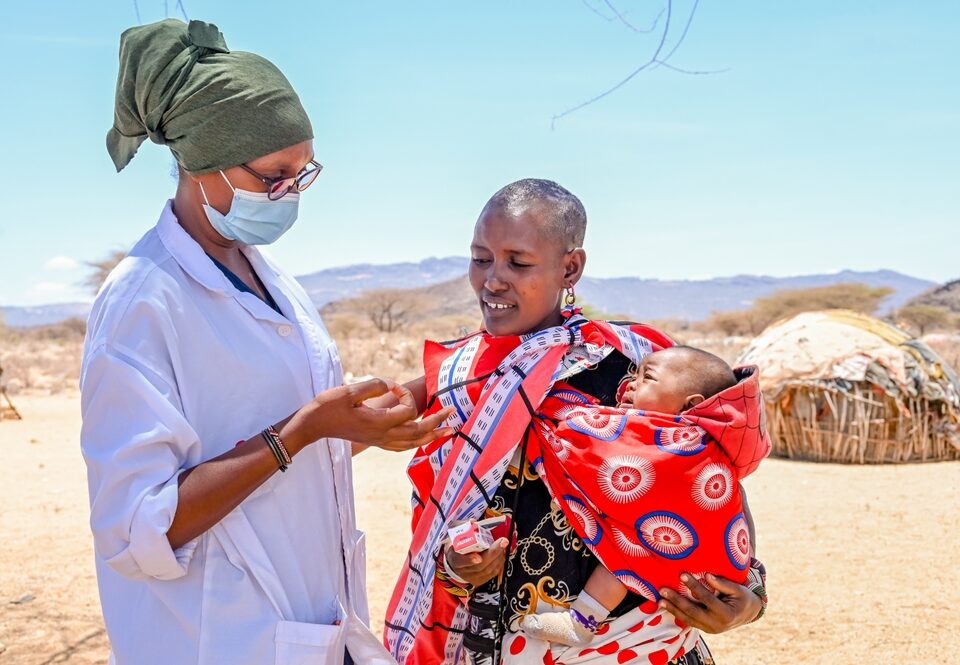
At the Sollay Kenyan Foundation, we believe that every Kenyan’s life matters. Your life matters, and you matter! Sollay Kenyan Foundation is a non-profit that cares about working with communities throughout Kenya to help children, families, and communities receive equal access to the primary care and focused specialty care that they need to thrive. With your support and the support of our existing donors and volunteers, we hope to help the people of Kenya realize their full potential and thrive. To make a donation and learn more, click here.