The Importance of Preventative Healthcare in Kenya

Too many times, healthcare is approached reactively, and disease is only treated after it has already started to spread. Unfortunately, this model places an enormous strain on healthcare resources and leaves many individuals without access to timely, life-saving care due to systems being overwhelmed. Preventative healthcare offers a more effective approach by reducing the incidence of disease, improving quality of life, and alleviating the financial burden on both individuals and the healthcare system. How can preventative healthcare make Kenyans healthier?
Reducing the Burden of Disease
Preventative healthcare strategies focus on stopping illnesses before they start. In Kenya, where diseases like malaria, tuberculosis, HIV/AIDS, and waterborne illnesses are prevalent, early intervention can save countless lives. Vaccination campaigns, mosquito net distribution, and routine health screenings are all essential tools in combating these diseases. For example, childhood immunization programs have significantly reduced the incidence of measles and polio in Kenya. Similarly, education on proper sanitation and access to clean drinking water helps prevent the spread of cholera and typhoid. By investing in these preventative measures, the overall burden of disease can be dramatically reduced, which allows resources to be allocated more effectively.
Improving Maternal and Child Health
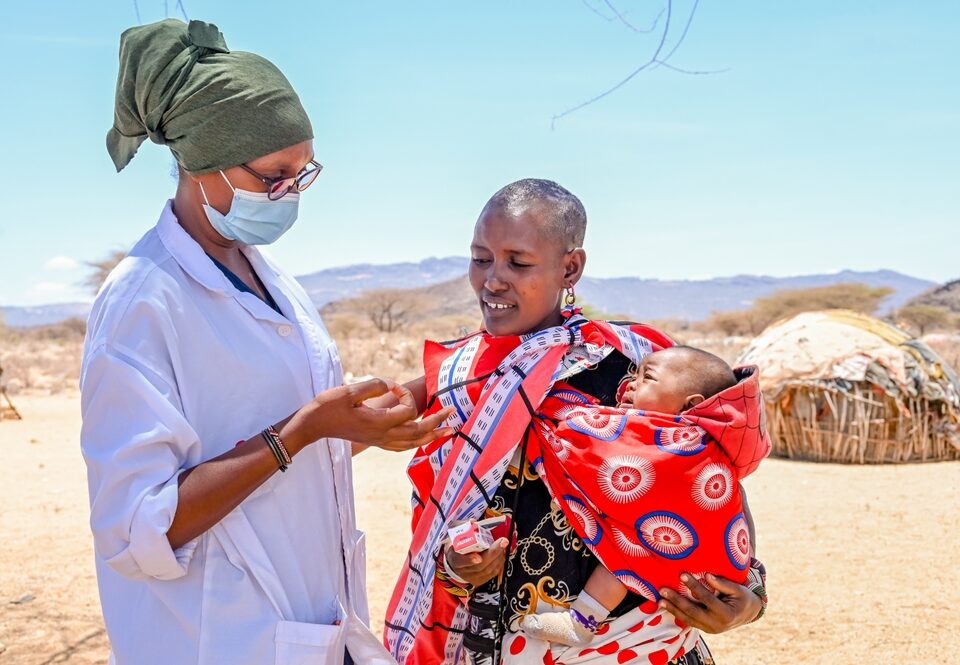
One of the most critical pieces of preventative healthcare is maternal and child health. Many Kenyan women face challenges in accessing prenatal and postnatal care, leading to high maternal and infant mortality rates. Through education and outreach, the Sollay Kenyan Foundation and other healthcare organizations are working to ensure that expectant mothers receive the care they need to deliver safely and that their children receive the necessary medical attention in their early years. Routine check-ups, proper nutrition, and access to skilled birth attendants are essential components of maternal healthcare. Additionally, promoting breastfeeding and early childhood vaccinations helps protect infants from common yet preventable diseases.
Combating Non-Communicable Diseases
While infectious diseases remain a significant concern in Kenya, non-communicable diseases (NCDs) such as diabetes, hypertension, and heart disease are on the rise. Many of these conditions are linked to lifestyle factors, like poor diet or lack of exercise. Unfortunately, NCDs often go undiagnosed until they reach an advanced stage, making them more difficult and expensive to treat. Preventative healthcare plays a crucial role in managing NCDs through public health campaigns that promote healthy living. Encouraging regular exercise, balanced nutrition, and routine preventative healthcare check-ups can help individuals detect and manage these conditions before they become life-threatening.
Benefitting the Economy
Beyond the obvious health advantages, preventative healthcare also has significant economic benefits. Medical expenses can be overwhelming for individuals and families, often pushing them into financial hardship. By preventing illnesses before they become severe, people can avoid costly treatments and hospital stays. Additionally, a healthier population leads to a more productive workforce, which contributes to economic growth and stability. Governments and organizations that invest in preventative healthcare programs ultimately save money in the long run. Preventing diseases is far more cost-effective than treating them.
Healthcare Resources
National Tuberculosis, Leprosy, and Lung Disease Program in Kenya: click here or email info@nltp.co.ke.
AIDS Healthcare Foundation (AHF) Kenya: click here or email Info.Kenya@aidshealth.org.
Kenya Health Federation’s Wheels for Life Program: click here or email wheelsforlife@khf.co.ke.
Ministry of Health: click here or email ps.medical@health.go.ke.
Help Protect Kenyan Access to Healthcare
At the Sollay Kenyan Foundation, we believe that every Kenyan’s life matters. Your life matters, and you matter! Sollay Kenyan Foundation is a non-profit that cares about working with communities throughout Kenya to help children, families, and communities receive equal access to the primary care and focused specialty care that they need to thrive. With your support and the support of our existing donors and volunteers, we hope to help the people of Kenya realize their full potential and thrive. To make a donation and learn more, click here.