Navigating the Challenges of Kenya’s Energy Crisis in 2025
As of April 2025, Kenya is grappling with a complex energy crisis that threatens its broader economic stability and development goals. Despite significant strides in adopting renewable energy, the country still faces challenges, including frequent blackouts, aging infrastructure, and escalating demand. However, with the right reforms and investments, Kenya has the opportunity to transform these challenges into opportunities for a resilient and sustainable energy future.
Kenya’s Strained Energy System
Kenya’s energy infrastructure is under considerable strain. In August 2024, a massive blackout plunged Nairobi and six other regions into darkness, highlighting the fragility of the national grid. The blackout affected millions of Kenyans, and it was preceded by another massive blackout in May 2024. Such large-scale outages have become increasingly common, raising concerns about the robustness of the country’s power systems. Technical problems, electricity theft, and billing inefficiencies also contribute to significant energy losses, estimated at 23% in 2023. These issues, combined with aging infrastructure and high demand, make it harder to distribute reliable electricity across the country.
Rising Demand With No Signs of Stopping
Kenya’s electricity demand is on an upward trajectory, with projections indicating a 6.5% annual increase between 2025 and 2027. Because of the increasing strain on energy resources, dealing with the energy crisis promptly is even more important. This increase in electricity usage is driven by population growth, urbanization, and industrialization. However, the existing energy infrastructure is struggling to meet this escalating demand. This has led to the frequent power outages and supply inconsistencies that we mentioned above.
Climate Change Is Making Things Worse
The impacts of climate change are further complicating Kenya’s energy crisis. Frequent droughts and floods disrupt hydroelectric power generation, which has traditionally been a significant energy source for the country. The increase in the number and severity of weather events and climate change-driven flooding not only affects energy production but also strains the overall resilience of the energy infrastructure.
What Is the Government Doing?
In response to these challenges and the growing energy crisis, the Kenyan government has initiated several reforms aimed at revitalizing the energy sector and ensuring Kenyans have access to electricity. These policies and reforms include:
- National Energy Policy 2025–2034: This policy outlines a strategic direction for achieving universal electricity access by 2030, increasing reliance on renewable energy, and transitioning to clean cooking solutions.
- Opening Transmission and Distribution to Private Investment: New regulations introduced in 2024 allow private companies to invest in Kenyan transmission and distribution networks. This policy aims to increase competition, reduce costs, and improve efficiency.
- Renewable Energy Expansion: Kenya is committed to transitioning to 100% renewable energy by 2030. As part of this plan, the government plans to encourage investments in solar, wind, and geothermal power to reduce reliance on imported power.
How Will Renewable Energy Help?
Renewable energy is at the heart of Kenya’s strategy for addressing its energy crisis. The country is focusing on taking advantage of its abundant natural resources to diversify its energy portfolio and alleviate some of the energy crisis. How is renewable energy being used?
- Geothermal Energy: Kenya is one of the world’s leading geothermal producers, with significant resources concentrated in the Rift Valley. The government is continuing to explore additional sites to expand geothermal energy capacity.
- Solar Energy: The rapid expansion of the solar energy sector has been supported by falling costs of photovoltaic technology and government incentives. Solar energy is playing an increasingly important role in meeting energy demands, especially in rural areas. The total estimated solar potential in Kenya is a whopping 15000 MW.
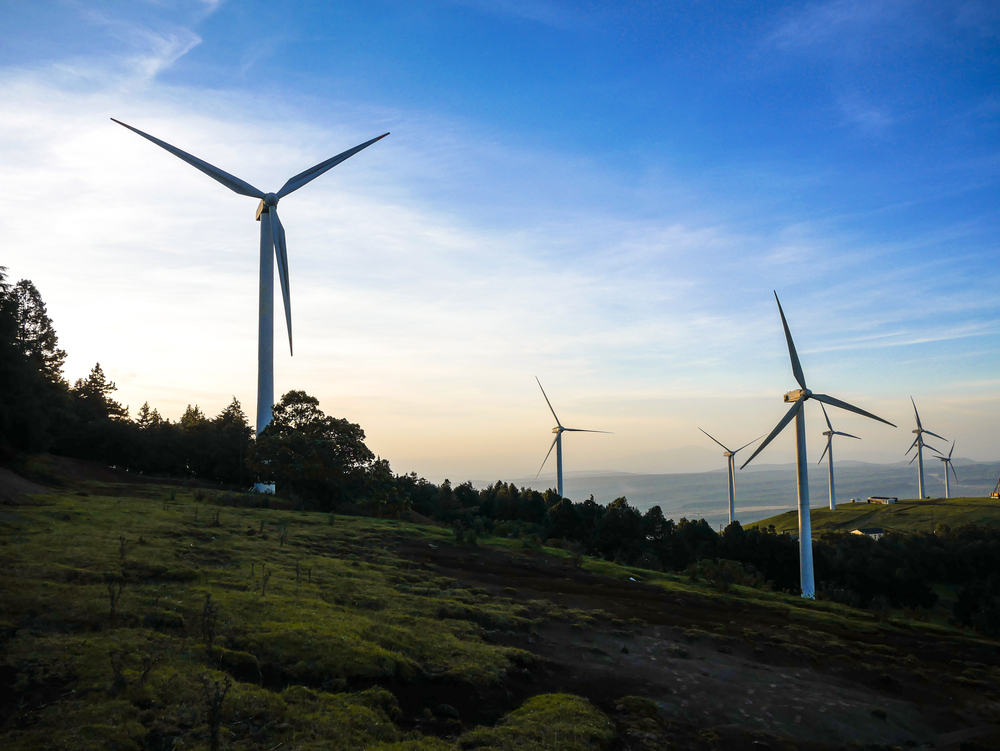
- Wind Energy: Projects like the Lake Turkana Wind Power plant have significantly contributed to the national grid by providing clean and reliable energy.
- Nuclear Energy: Kenya is investing in its first nuclear power plant, and it is expected to open by 2027. This would start generating power by 2034. While this is far in the future, it could transform the accessibility of power for generations of Kenyans.
Help Support a Brighter Future for Kenya
At Sollay Kenyan Foundation, we believe that every Kenyan’s life matters, no matter where they live in the country. Your life matters, and you matter! Sollay Kenyan Foundation is a non-profit that cares about working with communities throughout Kenya to help children, families, and communities receive equal access to the primary care and focused specialty care that they need to thrive. With your support and the support of our existing donors and volunteers, we hope to help the people of Kenya realize their full potential and thrive. To make a donation and learn more, click here.