Kenya’s Progress Towards WHO Tuberculosis Targets
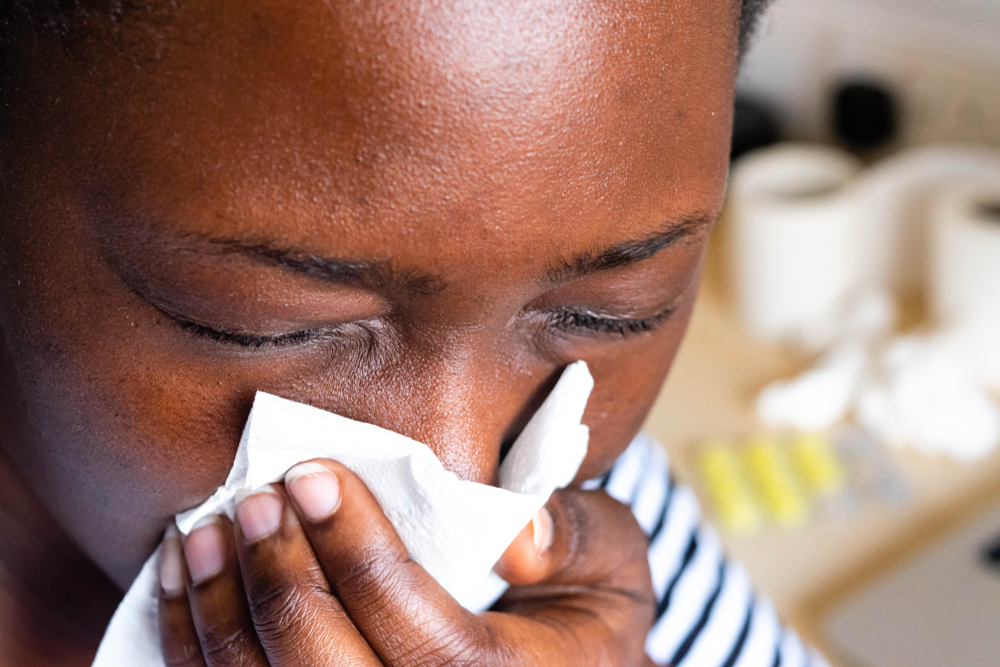
Tuberculosis (TB) remains a major public health concern in Kenya, but recent years have seen significant progress in the country’s efforts to meet the World Health Organization’s (WHO) End TB Strategy. This global framework includes ambitious goals to reduce TB deaths by 90% and TB cases by 80% by 2030 compared to 2015 levels. The Kenyan government, with the support of global partners like Sollay Kenyan Foundation, has been actively working toward meeting the WHO tuberculosis targets.
WHO Tuberculosis Targets Are Being Met with Strategic Planning
In January 2024, Kenya launched its National Strategic Plan (NSP) for Tuberculosis, Leprosy, and Lung Health 2023/24–2027/28. This five-year roadmap is a roadmap for achieving the WHO tuberculosis targets. The NSP is centered around six key pillars: patient-centered care, adoption of new technologies, use of universal health coverage (UHC) and community-based health systems, tailored interventions based on local TB data, human rights-focused approaches, and multi-sectoral collaboration.
The plan is a strategic tool to coordinate efforts by national and county governments, donors, and private-sector businesses. In the report, the government acknowledges that success in fighting TB goes beyond the health sector and involves education, adequate infrastructure, sanitation, and more. By aligning domestic efforts with international standards, Kenya is making steady progress in line with the WHO tuberculosis targets.
Improving TB Detection and Treatment Success Rates
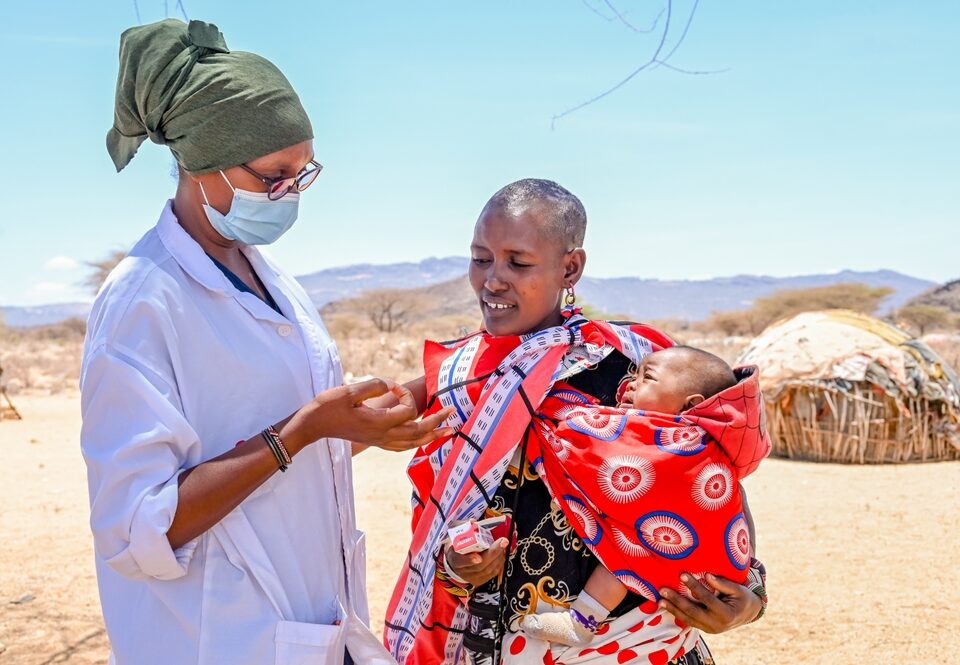
TB case detection has improved notably. In 2022, Kenya reported 90,841 TB cases, which was a rise from 77,854 in 2021. However, that number only represented 68% of the estimated 133,000 total TB cases. Nearly 32% remained undetected, which undermines efforts to meet WHO tuberculosis targets. In 2024 and 2025, the Ministry of Health has stepped up outreach efforts, particularly through the use of Community Health Promoters. These workers engage directly with vulnerable communities, identifying potential TB cases early and ensuring they are tested and linked to care. The government’s approach is trying to address the underlying barriers to care by bringing TB services directly to the people. This model is essential to close the detection gap and align Kenya’s results with the WHO tuberculosis targets.
Preventing TB in High-Risk Groups
Kenya is also prioritizing TB prevention. A major milestone in 2024 was the rollout of the world’s second-largest TB prevention project, focusing on people living with HIV. These individuals are up to 21 times more likely to develop TB. Over 400,000 have been enrolled in preventive therapy programs, which is expected to drastically reduce incidence in this vulnerable group. Kenya also leads in pediatric TB care. Child-friendly medicines are now widely available, helping children complete treatment more reliably. These efforts to protect high-risk populations play a central role in helping Kenya reach the WHO tuberculosis targets.
What Does the Future Hold?
Kenya’s progress toward the WHO tuberculosis targets during 2024 and 2025 reflects a strong national commitment to reducing the spread of TB. Challenges remain, especially in reaching undiagnosed patients, but the steps taken so far mark great progress. By continuing to focus on community-driven approaches, investing in new technologies, and fostering collaboration with organizations like Sollay Kenyan Foundation, Kenya can remain a leader in the region in the fight against TB. Continued vigilance and accountability will be key as the country moves closer to the 2030 WHO tuberculosis targets. To get in touch with someone at the National Tuberculosis, Leprosy, and Lung Disease Program in Kenya, call +254-20-2717077 or email info@nltp.co.ke.
Help Support a Brighter Future for Kenya
At Sollay Kenyan Foundation, we believe that every Kenyan’s life matters. Your life matters, and you matter! Sollay Kenyan Foundation is a non-profit that cares about working with communities throughout Kenya to help children, families, and communities receive equal access to the primary care and focused specialty care that they need to thrive. With your support and the support of our existing donors and volunteers, we hope to help the people of Kenya realize their full potential and thrive. To make a donation and learn more, click here.