Nutrition and Food Security in Kenya
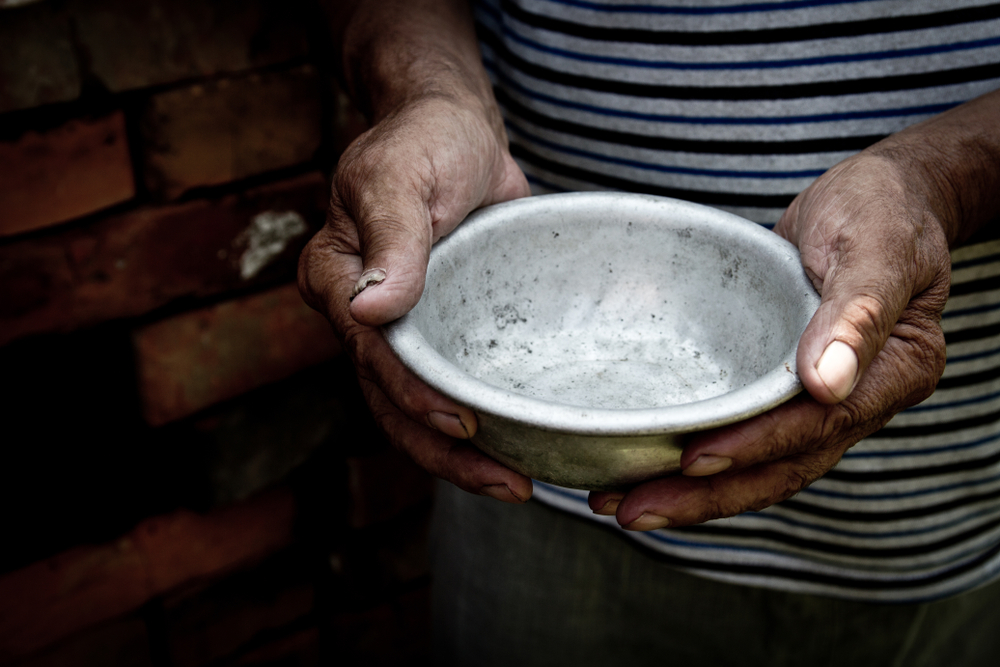
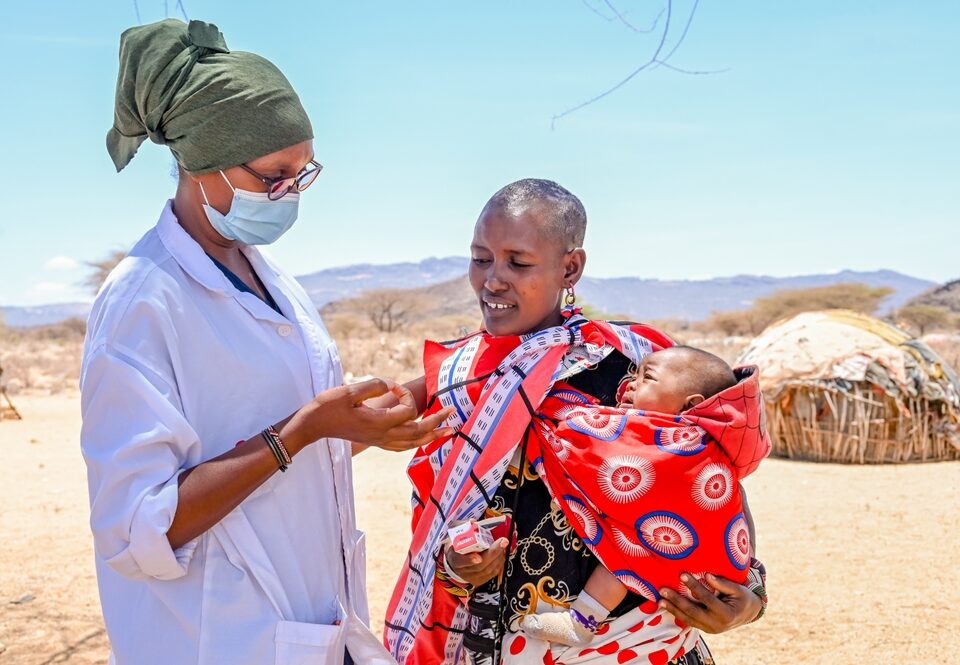
Nutrition and food security in Kenya remain some of the most pressing challenges facing all citizens, regardless of age or location. Millions of families around the country struggle to access adequate, nutritious food on a daily basis. This ongoing issue has far-reaching impacts on health, education, and economic development. At the Sollay Kenyan Foundation, we are deeply committed to improving nutrition and treating the impacts of poor nutrition through our work at Katani Hospital. What is the current state of nutrition and food security in Kenya?
The Current State of Nutrition and Food Security in Kenya
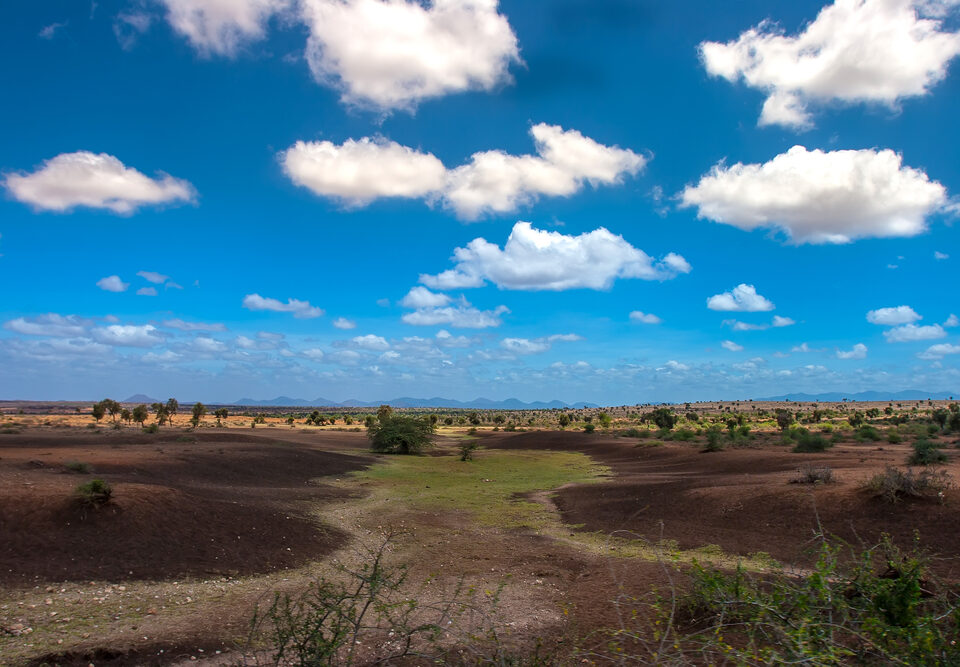
According to recent statistics, an estimated 30% of Kenyan children under the age of five are stunted due to chronic undernutrition. Food insecurity is particularly severe in arid and semi-arid regions, where droughts and unpredictable rainfall patterns make it difficult for families to grow enough crops or keep livestock healthy. Additionally, access to nutritious food is often limited by poverty and rising food prices.
Nutrition and food security in Kenya are also deeply affected by climate change, conflict, and economic instability. A bad drought can wipe out entire harvests, while floods can destroy stored food and displace families. Additionally, steep cuts to USAID that recently went into effect are already having an impact, but it is too soon to have concrete data on how these cuts have affected food security.
What Contributes to Food Insecurity and Malnutrition
Climate Variability and Drought
Kenya is highly susceptible to droughts and floods, which can devastate crops and livestock. Many farming communities depend on rain-fed agriculture, and prolonged dry spells often lead to food shortages and price hikes.
Poverty
Widespread poverty limits access to nutritious food, clean water, healthcare, and education. Families living below the poverty line are more likely to consume calorie-dense but nutrient-poor diets.
Agricultural Dependence and Low Productivity
Small-scale farmers make up a large portion of Kenya’s agricultural output, yet many lack access to improved seeds, fertilizer, irrigation, and training. This results in low yields, particularly in areas with poor soil and minimal infrastructure.
Urbanization and Dietary Changes
Rapid urbanization is changing dietary patterns, with many people shifting toward processed and fast foods that are often low in nutritional value. This is contributing to a double burden of malnutrition in areas where undernutrition and obesity coexist.
Building a Better Future
Improving nutrition and food security in Kenya requires a multi-dimensional approach that includes policy reform, agricultural investment, and more. Some of the efforts happening now include:
- Strengthening local food systems by supporting small-scale farmers with access to improved inputs, training, and market opportunities. This can boost local food production and incomes.
- Nutrition education through promoting awareness of healthy diets and food preparation, especially in rural and low-income areas. This education helps families make better food choices within their means.
- Clean water and proper sanitation are essential for absorbing nutrients, and addressing the lack of clean water is essential for improving nutrition and preventing disease.
To sustain and accelerate progress, it is crucial to prioritize investment in nutrition programs and organizations that are working to improve healthcare access throughout Kenya, like the Sollay Kenyan Foundation. If you are experiencing malnutrition, you should reach out to the Ministry of Health Division of Nutrition and Dietetics by calling +254-20-2717077 or clicking here.
Help Support a Brighter Future for Kenya
At Sollay Kenyan Foundation, we believe that every Kenyan’s life matters. Your life matters, and you matter! Sollay Kenyan Foundation is a non-profit that cares about working with communities throughout Kenya to help children, families, and communities receive equal access to the primary care and focused specialty care that they need to thrive. With your support and the support of our existing donors and volunteers, we hope to help the people of Kenya realize their full potential and thrive. To make a donation and learn more, click here.