The Impact of USAID Cuts on Kenya
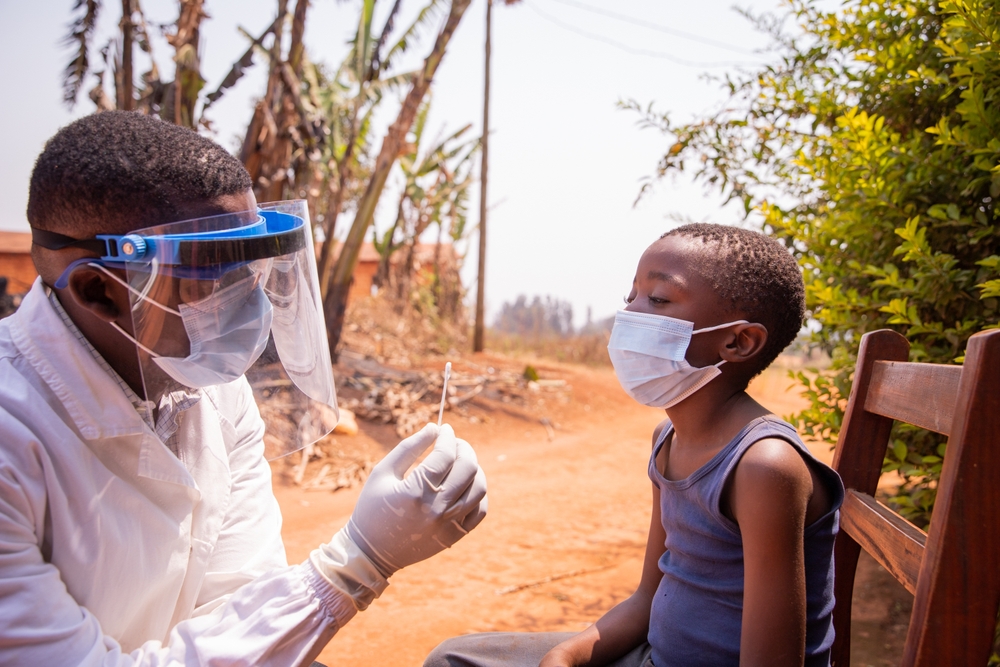
The United States Agency for International Development (USAID) has been a key part of healthcare progress in Kenya for many decades. Through its support for disease prevention, health infrastructure, maternal and child care, and community health programs, USAID was able to help shape Kenya’s public health system.
However, recent USAID cuts have begun to impact Kenya, threatening essential services and undermining hard-won improvements in disease prevention and more. At a time when Kenya continues to battle high rates of HIV, malaria, and maternal mortality, cuts like these will have a direct impact on Kenyan healthcare. This makes supporting established organizations like Sollay Kenyan Foundation critical.
USAID Has Strengthened Kenyan Healthcare for Many Years
USAID’s contributions to Kenya’s health sector have been far-reaching. Programs like PEPFAR (the U.S. President’s Emergency Plan for AIDS Relief) and PMI (the President’s Malaria Initiative) have helped reduce infection rates, increase access to treatment, and save millions of lives. USAID has also funded immunization efforts, family planning services, and training for community health workers. Investments like these have not only improved health outcomes but have also helped build the capacity of Kenya’s public health institutions.
What Areas of Kenyan Health and Healthcare Have Been Most Affected by USAID Cuts?
HIV/AIDS Prevention and Treatment
One of the most critical areas impacted by USAID cuts is HIV/AIDS prevention and treatment. With nearly 1.4 million people living with HIV in Kenya, consistent funding is essential for providing antiretroviral therapy (ART), prevention programs, and testing. Reductions in funding have already led to interruptions in ART supply chains and staffing shortages in some health facilities. These setbacks risk reversing years of progress in HIV control, increasing the likelihood of new infections and drug resistance. Currently, the White House is exempting PEPFAR from cuts, but that has not been finalized yet.
Maternal and Child Health
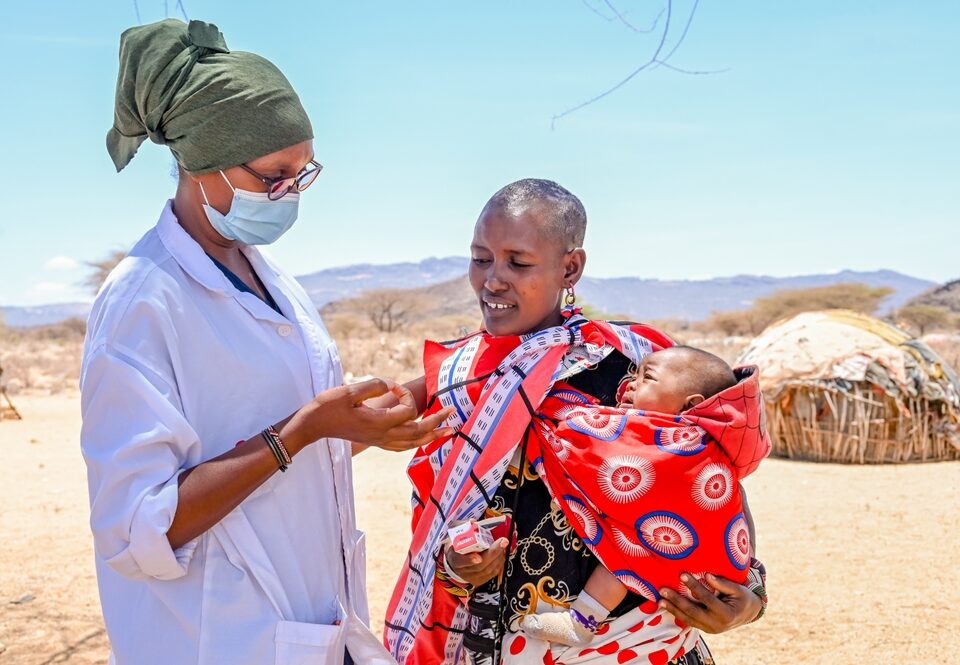
USAID has been key in improving maternal and child health outcomes in Kenya. Its support has enabled the distribution of essential supplies, training of midwives and nurses, and expansion of services such as prenatal care and skilled birth attendance. Funding cuts threaten these critical services, especially in rural and underserved areas where government health infrastructure is not adequate. Pulling these critical services could contribute to higher rates of maternal and infant mortality.
Immunization Efforts and Disease Surveillance
Immunization programs in Kenya have benefited significantly from donor support, including funding from USAID. Vaccines for diseases such as hepatitis B, measles, and polio have helped protect millions of children. In the wake of USAID cuts, reaching more rural communities and tracking disease outbreaks will be more difficult. Inadequate immunization coverage could leave many Kenyans vulnerable to preventable disease outbreaks and strain the health system even more. Current estimates for one organization alone are 75 million fewer children receiving routine vaccinations.
Broader Public Health Risks
Reduced funding for healthcare not only affects patients; it also poses systemic risks. Interruptions in things like disease surveillance and delays in responding to outbreaks can make Kenya more vulnerable to health crises in general. The COVID-19 pandemic showed the entire world the importance of healthcare systems and government support for disease surveillance. Without sustained support due to USAID cuts, Kenya’s ability to respond to future public health emergencies could be significantly compromised.
How We’re Being Part of the Solution
The impact of USAID cuts on healthcare in Kenya underscores the urgent need for more support for Kenyans. The government must take action to finance health programs that help protect Kenyans of all ages. Additionally, supporting organizations like Sollay Kenyan Foundation will ensure that we continue to have a positive impact. We believe that all Kenyans deserve access to life-saving healthcare, and we are working around the clock to help provide urgent assistance to people who are impacted by USAID cuts. To get in touch with someone at the Ministry of Health in Kenya, call +254 20 2717077 or email ps.medical@health.go.ke.
Help Provide Excellent Healthcare to Every Kenyan
At Sollay Kenyan Foundation, we believe that every Kenyan’s life matters, no matter where they live in the country. Your life matters, and you matter! Sollay Kenyan Foundation is a non-profit that cares about working with communities throughout Kenya to help children, families, and communities receive equal access to the primary care and focused specialty care that they need to thrive. With your support and the support of our existing donors and volunteers, we hope to help the people of Kenya realize their full potential and thrive. To make a donation and learn more, click here.