HIV Prevention in Kenya: Successes and Challenges
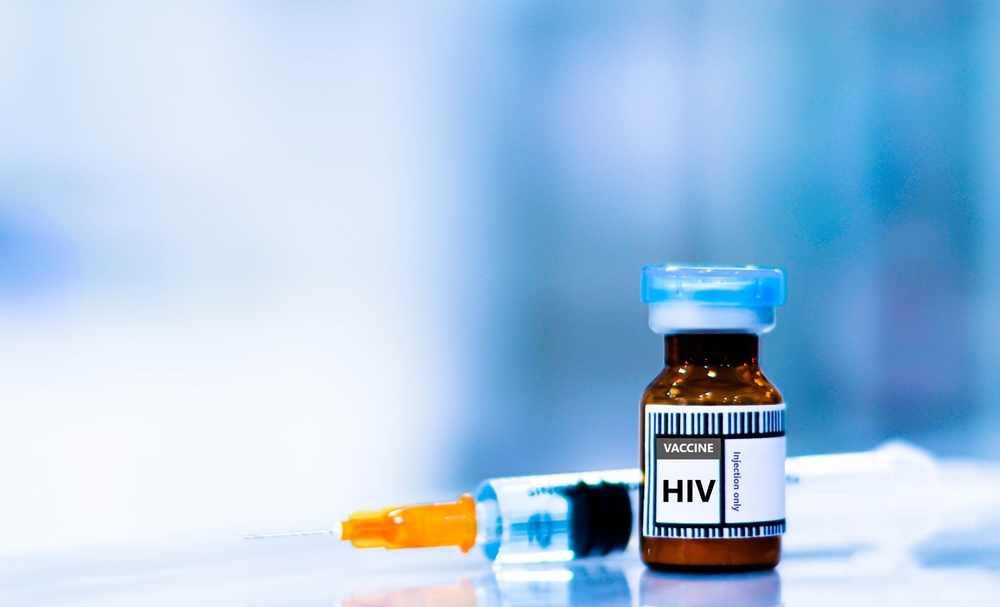
Kenya has been at the forefront of global efforts to combat HIV, and the country has made remarkable progress. Through a combination of public health initiatives, international support, and community-based efforts, the country has managed to significantly reduce the HIV infection rate from around 10% in the late 1990s to approximately 4.8%. Despite these successes, several challenges remain in the fight to stop new infections and provide adequate care for all Kenyans affected by HIV.
Declining New HIV Infections
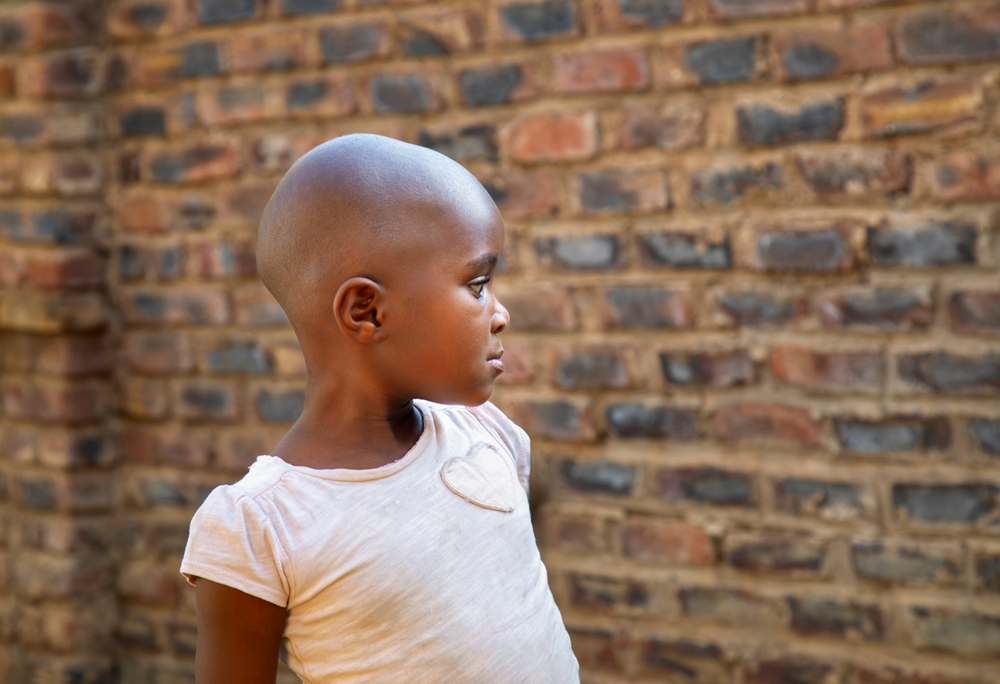
One of the most significant successes in HIV prevention in Kenya has been the steady decline in new infections. According to UNAIDS, new HIV infections in Kenya have dropped by more than 66% and are currently on track to meet the global target of 90% reduction by 2030. This decline can be attributed to a number of factors, including increased public awareness, the implementation of prevention programs, and expanded access to treatment. Programs aimed at reducing mother-to-child transmission have also been particularly effective, with Kenya’s Ministry of Health reporting that new infections among children have significantly decreased and the country plans to end AIDS in children by 2027.
Increased Usage of Pre-Exposure Prophylaxis (PrEP)
Pre-exposure prophylaxis (PrEP), a preventive medication for people at high risk of HIV infection, has become increasingly available in Kenya. PrEP has been particularly impactful among key populations, such as sex workers and men who have sex with men. The Kenyan government, in collaboration with international health organizations, has expanded the availability of PrEP, which has been shown to reduce the risk of HIV transmission by up to 99% when taken consistently. To learn more about access to PrEP in Kenya, click here.
Challenging Infection Rates in Key Populations
Despite the overall reduction in new infections, key populations, including sex workers, men who have sex with men, and injection drug users, continue to experience disproportionately high rates of HIV. These groups often face stigma and discrimination, making it difficult for them to access healthcare services. In addition, social stigma and legal barriers further complicate efforts to provide comprehensive HIV prevention services to these populations. For example, homosexuality remains illegal in Kenya, which pushes many men who have sex with men into hiding, making it harder for them to access HIV prevention medications like PrEP.
Stigma and Discrimination Are Rampant
While education campaigns have made progress in reducing HIV-related stigma, discrimination remains a major barrier to HIV prevention and treatment in Kenya. Many people living with HIV still face rejection by their families, communities, and even healthcare providers. This discrimination discourages people from getting tested, seeking treatment, or adhering to their prescription medication regimens. Reducing stigma requires continuous efforts to change public perceptions of HIV through education, advocacy, and community engagement.
Access to Healthcare in Rural Areas Is Another Barrier
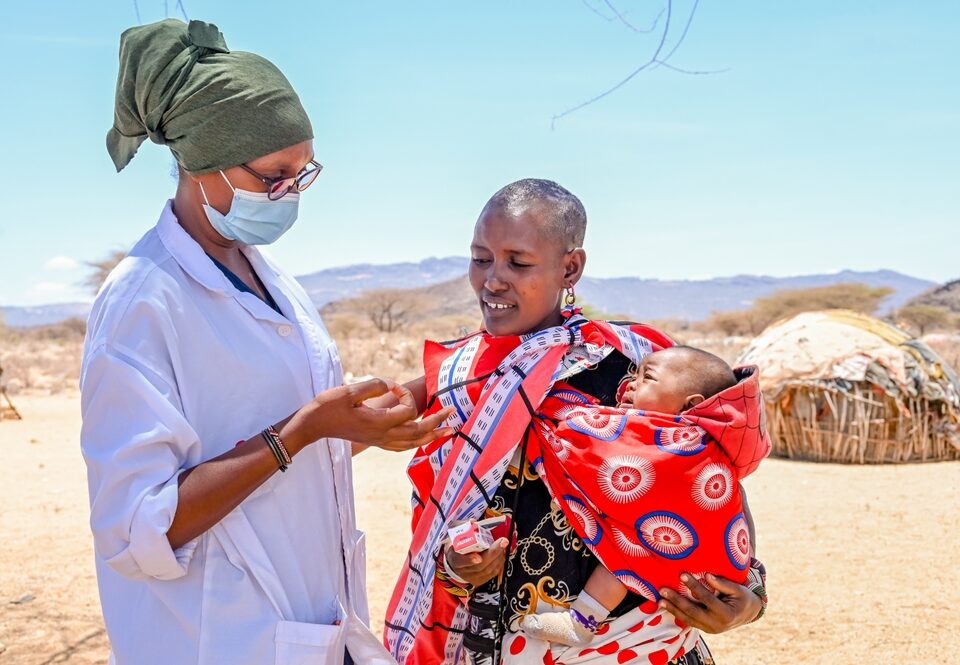
Rural and hard-to-reach areas of Kenya continue to face challenges in accessing healthcare services, including HIV testing, prevention, and treatment. Many people in these regions lack the transportation or financial means to visit healthcare facilities. To address this, Kenya and other organizations need to continue investing in mobile clinics, community health workers, and telemedicine to reach these underserved populations. The AIDS Healthcare Foundation (AHF) offers free HIV services across Kenya. To get in touch with someone at AHF Kenya, call +254 737 293 960, click here, or email Info.Kenya@aidshealth.org.
Help Reduce HIV and AIDS in Kenya
At the Sollay Kenyan Foundation, we believe that every Kenyan’s life matters. Your life matters, and you matter! Sollay Kenyan Foundation is a non-profit that cares about working with communities throughout Kenya to help children, families, and communities receive equal access to the primary care and focused specialty care that they need to thrive. With your support and the support of our existing donors and volunteers, we hope to help the people of Kenya realize their full potential and thrive. To make a donation and learn more, click here.