How Kenya Is Working to Bring Primary Care Closer to Communities
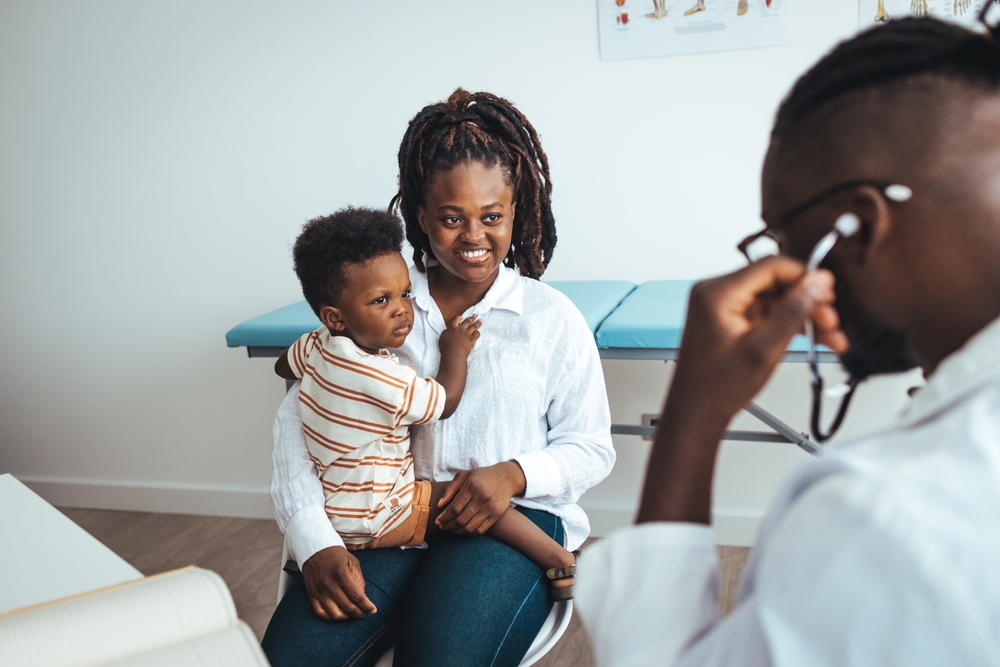
Access to healthcare remains a challenge for many Kenyans, especially those in remote and rural areas. Long distances to medical facilities, limited transportation options, and financial constraints prevent many citizens from receiving essential medical services. Recognizing these barriers, the Kenyan government and community organizations like Sollay Kenyan Foundation have taken proactive steps to expand access to primary care. We want to ensure that even those in the hardest-to-reach areas can receive the medical care that they need.
How Distance Plays a Role in Healthcare
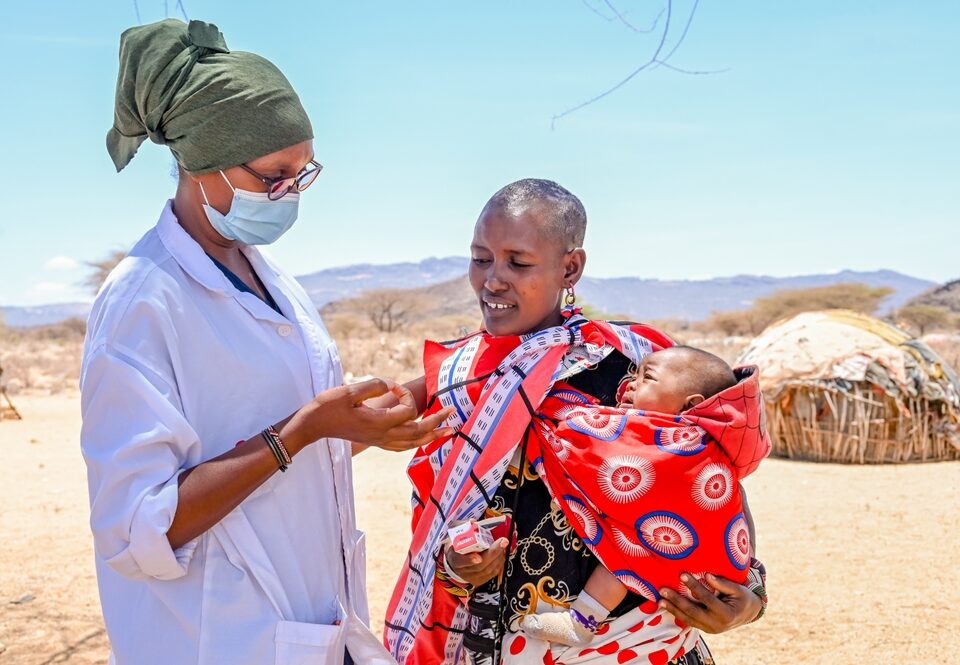
For citizens like Eunice Jelagat, a mother of seven living in Silale, Baringo County, accessing primary care has been a daunting challenge. In a recent article, she spoke about how she had to move closer to town to give birth at a clinic and leave her other children behind. The majority of mothers in her village do not have access to professional medical care, which has led to high child mortality rates and low immunization coverage.
Studies show that for every kilometer a person must travel to reach a health facility, the likelihood of receiving necessary vaccinations and treatments decreases. For many rural residents, long distances to the nearest clinic make access to primary care nearly impossible. To address this, the Kenyan government launched the Primary Health Care Networks (PCNs) initiative, aimed at decentralizing and improving the healthcare delivery system.
Establishing PCNs in Kenya
In 2018, Kenya created a pilot program to establish PCNs, with the goal of improving access to primary care by bringing medical services closer to communities. In 2020, Kenya formally launched a strategic framework to expand care access, including additional expansion of PCNs. Today, 160 PCNs are operational, with 41 more in progress. According to the government, this will cover 87% of counties in the country. PCNs operate using a ‘hub and spokes’ model, where a primary care referral hospital (hub) supports smaller primary care facilities (spokes). This model ensures that each person has access to a healthcare facility within a five-kilometer radius, significantly reducing travel distances and improving healthcare access.
The Impact of PCNs on Immunization and Maternal Health
One of the most significant benefits of expanding primary care in Kenya through PCNs has been improving immunization rates. Previously, long travel distances prevented many children from receiving vaccines. However, with the introduction of PCNs, immunization outreach campaigns have become more effective. Catch-up vaccination efforts and mass immunization drives have successfully reached previously underserved populations. Maternal healthcare has also seen substantial improvements. Women now have greater access to skilled birth attendants, reducing the risks associated with home deliveries. According to government data, counties where public health facilities are accessible within 15 minutes have the highest full vaccination rates. For example, Vihiga County has achieved a 96% immunization rate, followed closely by Murang’a at 95% and Kisii at 90%.
Challenges Still Remain
Despite the progress made, challenges remain in achieving universal access to primary care. Some counties still have severe shortages of health facilities, with residents traveling over 50 kilometers to reach the nearest clinic. Additionally, disparities in access mean that some areas continue to have lower immunization rates compared to others. If you are looking for a primary care doctor, you can view the government resources located here. At Sollay Kenyan Foundation, we are committed to being part of the solution for a healthy future for every Kenyan.
Help Provide Excellent Healthcare to Rural Kenya
At Sollay Kenyan Foundation, we believe that every Kenyan’s life matters, no matter where they live in the country. Your life matters, and you matter! Sollay Kenyan Foundation is a non-profit that cares about working with communities throughout Kenya to help children, families, and communities receive equal access to the primary care and focused specialty care that they need to thrive. With your support and the support of our existing donors and volunteers, we hope to help the people of Kenya realize their full potential and thrive. To make a donation and learn more, click here.