How the Malaria Vaccine Has Positively Impacted Kenya
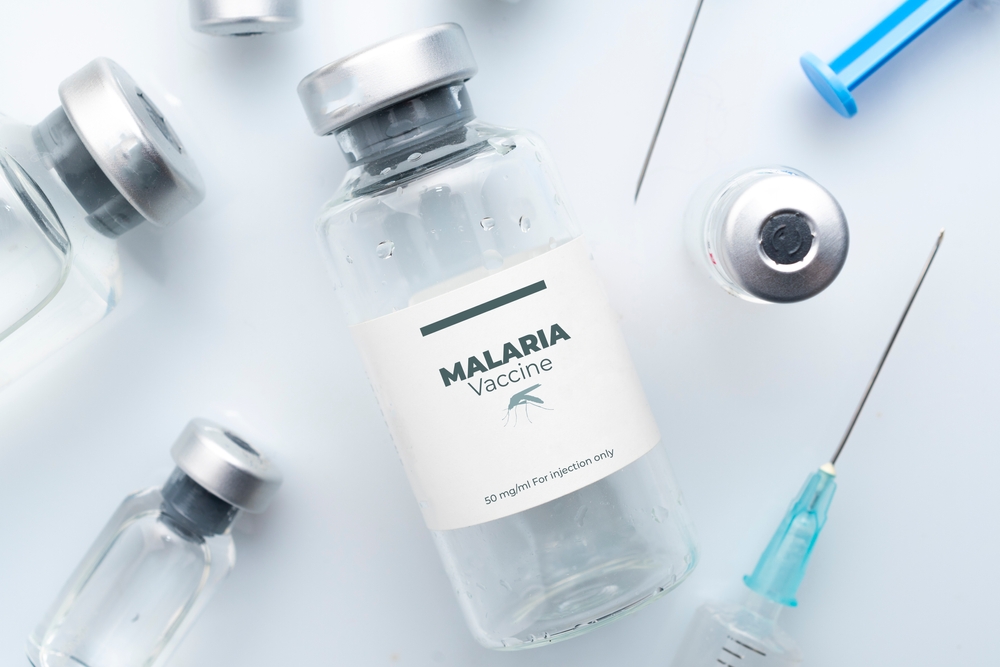
Malaria is a life-threatening disease that is transmitted through the bites of infected mosquitoes. While it can impact people all over the world, it has long been a significant public health concern in Kenya. The introduction of the malaria vaccine was a significant milestone in the fight against this deadly disease. In fact, the introduction of the vaccine in Kenya is one of the most transformative events of the past decade.
The Serious Nature of Malaria
Malaria risk is elevated throughout all of Kenya, and there are approximately 3.5 million cases and 10,700 deaths every year. Beyond those shocking numbers, there are also many injuries and disabilities that are not always thoroughly tracked and reported. Even those who survive malaria may not be the same after their illness. While organizations had tried a variety of mitigation efforts before, it was clear that something more was needed to help stop the transmission of malaria.
The Malaria Vaccine in Kenya
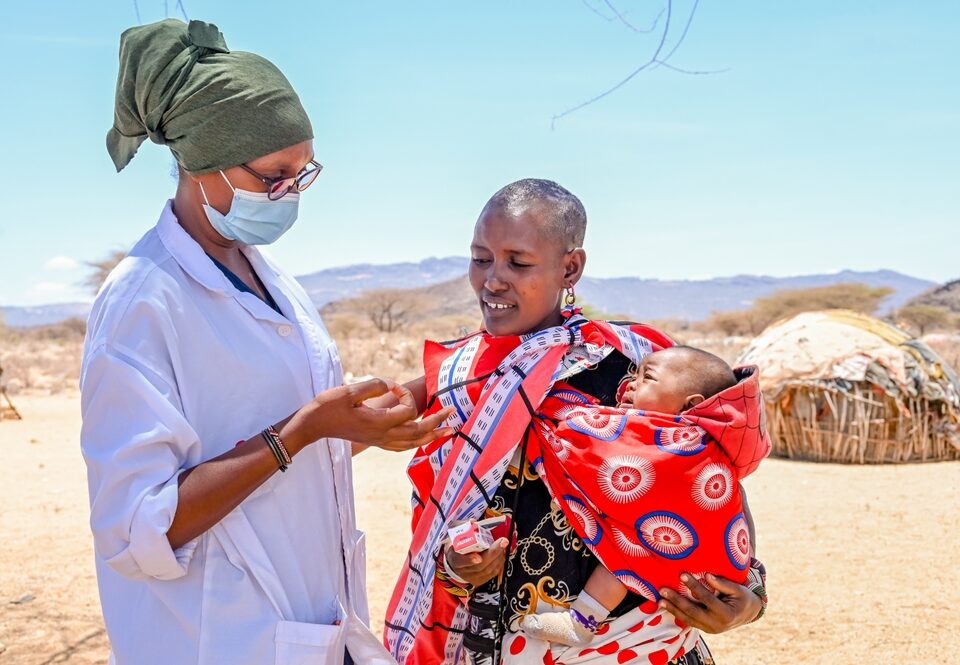
The World Health Organization first started distributing the malaria vaccine in three countries in 2019: Kenya, Ghana, and Malawi. This pilot program had amazing results, and over 4.5 million doses have been distributed across those three countries. 400,000 children have received their first dose of the vaccine as of April 2023, and the expansion of this program is expected to change even more lives and improve health outcomes.
How Have Things Changed?
Since the distribution of the malaria vaccine, hospitalizations for children under five for malaria have fallen, and fewer children have died from the condition. The impact has been particularly noticeable around the Lake Victoria region. Doctors in the area say that they have seen a significant reduction in pediatric admissions for malaria. It is important to note that the vaccine is not distributed without other measures in the community, like treated bed nets, medications, preventative treatment, and spraying. As the malaria vaccine is distributed more, we can all expect to see the serious injuries and deaths associated with malaria on the decline.
As things have changed for the better, increased vaccine hesitance has also become a growing problem in Kenya. One study found that 60% of Kenyans were vaccine hesitant during the COVID-19 pandemic. This not only limited the impact of the COVID vaccine but will likely also hamper the usage of the malaria vaccine. Studies have found that the malaria vaccine is safe and effective. Additionally, the vaccine can be given to adults who have already experienced malaria in a high-transmission area and provide protection.
Are There Other Benefits?
One of the other benefits of the malaria vaccine is the opportunity for healthcare professionals to interact with children who might not otherwise be receiving preventative care. Through the four-vaccine course of shots, there are four chances to perform other health screenings, offer other missed vaccinations, and set the child up for a healthy life.
We’re Dedicated to Helping Create a Healthier Kenya
We encourage all Kenyans to take the malaria vaccine if offered. If you are concerned about the vaccine, please educate yourself on how safe and valuable vaccines are. The life of every Kenyan is precious, and a breakthrough, life-saving medical technology is already helping stop death and severe injury.
At the Sollay Kenyan Foundation, we believe that every Kenyan’s life matters. Your life matters, and you matter! Sollay Kenyan Foundation is a non-profit that cares about working with communities throughout Kenya to help children, families, and communities receive equal access to the primary care and focused specialty care that they need to thrive. With your support and the support of our existing donors and volunteers, we hope to help the people of Kenya realize their full potential and thrive. To make a donation and learn more, click here.