Mental Health Awareness and Support in Kenya: Breaking the Stigma

In Kenya, like many parts of the world, mental health issues are a growing concern. The World Health Organization states that Kenya has the fourth-highest number of depressed individuals in Africa. However, for a variety of reasons, mental health challenges are often stigmatized and overlooked. As conversations around mental health begin to expand globally, there is a growing need to raise awareness, provide support, and ultimately break the stigma surrounding mental health in Kenya.
Understanding the Stigma
The stigma around mental health in Kenya is rooted in cultural and societal beliefs. Mental health issues are often perceived as spiritual or moral failings, which causes many individuals to avoid seeking help due to fear of being labeled as “mad” or “weak.” This stigma affects not only those suffering but also their families, creating a cycle of silence and shame. Additionally, there are historical roots to mental health stigma in Kenya. Mental health laws were used politically to stop rebellion under colonial rule. While these laws are no longer in effect, the lingering concern about getting help lingers.
Due to these issues, conversations around mental health are limited, and individuals experiencing conditions like depression, anxiety, or schizophrenia may feel isolated and helpless. This lack of dialogue and understanding reinforces the stigma and discourages those in need from seeking professional help.
The State of Mental Health in Kenya
According to the World Health Organization (WHO), about 1 in 4 people globally will experience a mental health condition at some point in their lives. Kenya is no exception. In 2019, mental disorders ranked as the second leading cause of disability for people between 10-24 years old. Mental health issues are also often compounded by challenging economic conditions in the country. Factors such as poverty, unemployment, and the aftermath of natural disasters can contribute to mental health challenges and make it harder to seek help.
Despite this, the country faces a severe shortage of mental health professionals. As of 2021, Kenya had only about 100 psychiatrists and 500 psychiatric nurses to serve a population of over 50 million people. This shortage, combined with inadequate infrastructure and funding, significantly limits access to mental health care.
The Kenyan Government’s Mental Health Action Plan
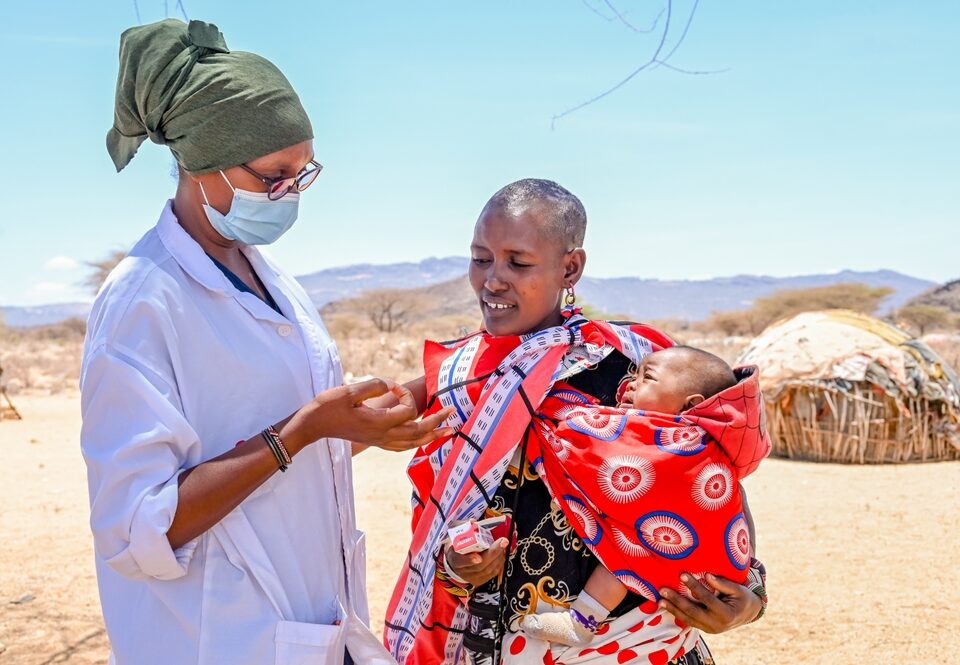
While raising awareness is vital, providing adequate mental health services is equally essential. In recent years, Kenya has made some strides in improving mental health care services, but there is still a long way to go. Public hospitals in major cities have mental health units, but rural areas are largely underserved.
To break the stigma around mental health and connect Kenyans with resources, awareness and education are key. Organizations, both governmental and non-governmental, have started focusing on increasing mental health among Kenyans. Campaigns aimed at educating the public about the causes, symptoms, and treatment options for mental health conditions have been launched to normalize conversations around mental well-being.
A notable development in Kenya is the Ministry of Health’s Mental Health Action Plan (2021-2025), which aims to provide a comprehensive framework to address mental health issues in the country. The goal of the plan is to improve mental health care systems through investment, dedication, and planning for resources, coordination, oversight, awareness creation, and advocacy. For more resources, visit the Ministry of Health’s Taskforce on Mental Health website.
Help Protect Kenyan Access to Healthcare
At the Sollay Kenyan Foundation, we believe that every Kenyan’s life matters. Your life matters, and you matter! Sollay Kenyan Foundation is a non-profit that cares about working with communities throughout Kenya to help children, families, and communities receive equal access to the primary care and focused specialty care that they need to thrive. With your support and the support of our existing donors and volunteers, we hope to help the people of Kenya realize their full potential and thrive. To make a donation and learn more, click here.