Surprising Facts About Healthcare Access In Rural Kenya
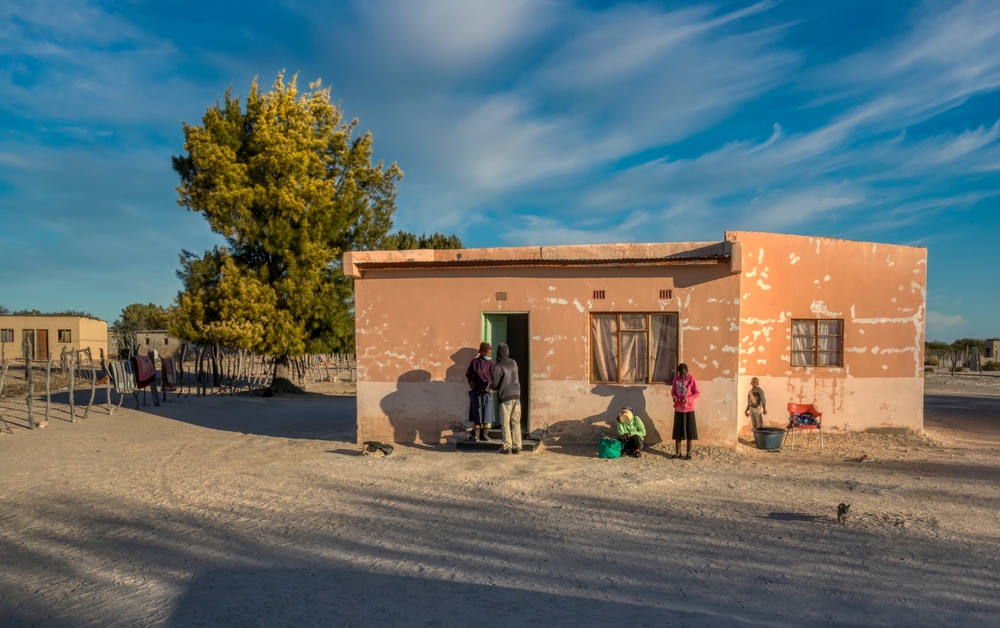
Healthcare access in rural Kenya presents both unique challenges and surprising realities. While many assume that medical care in these areas is virtually nonexistent, the situation is far more complex. Currently, 29% of the population of Sub-Saharan Africa lives two or more hours away from a hospital. Additionally, approximately 72% of Kenya’s total population lives in rural areas with limited access to professional healthcare. What are some of the surprising facts about healthcare access in rural Kenya?
Rural Residents Have to Travel a Long Way
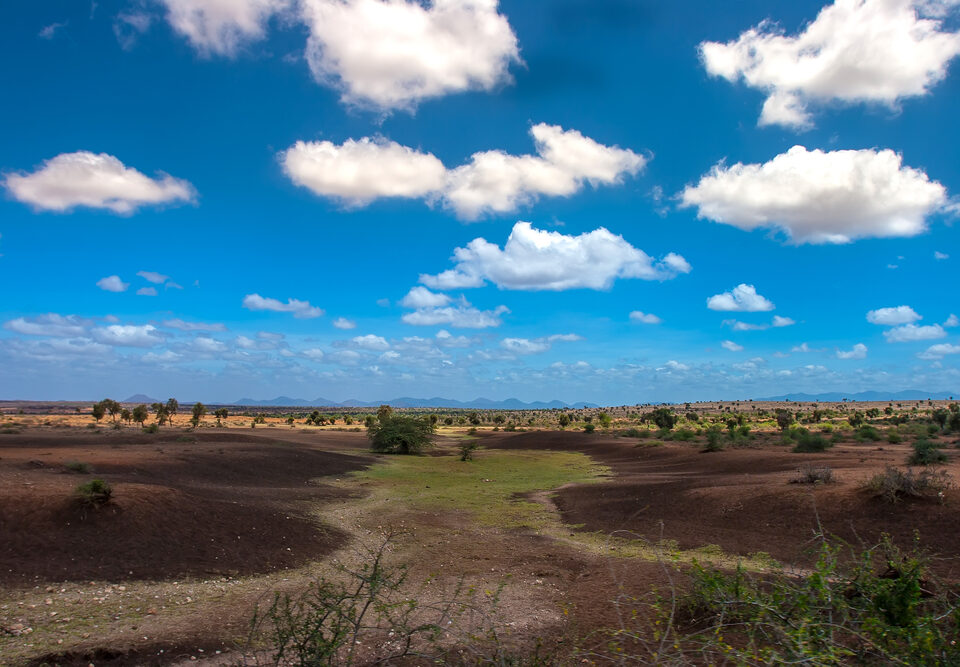
In many rural areas, the nearest health facility may be dozens of kilometers away. This means that patients, including women, children, and the elderly, must walk or rely on motorcycles (boda bodas) or public transport to reach hospitals. This distance discourages routine check-ups and can lead to late-stage diagnoses for serious conditions, further complicating healthcare access in rural Kenya. When you don’t have easy access to healthcare, it can be challenging to prioritize it when nothing is obviously wrong.
Community Health Workers Provide Critical Care
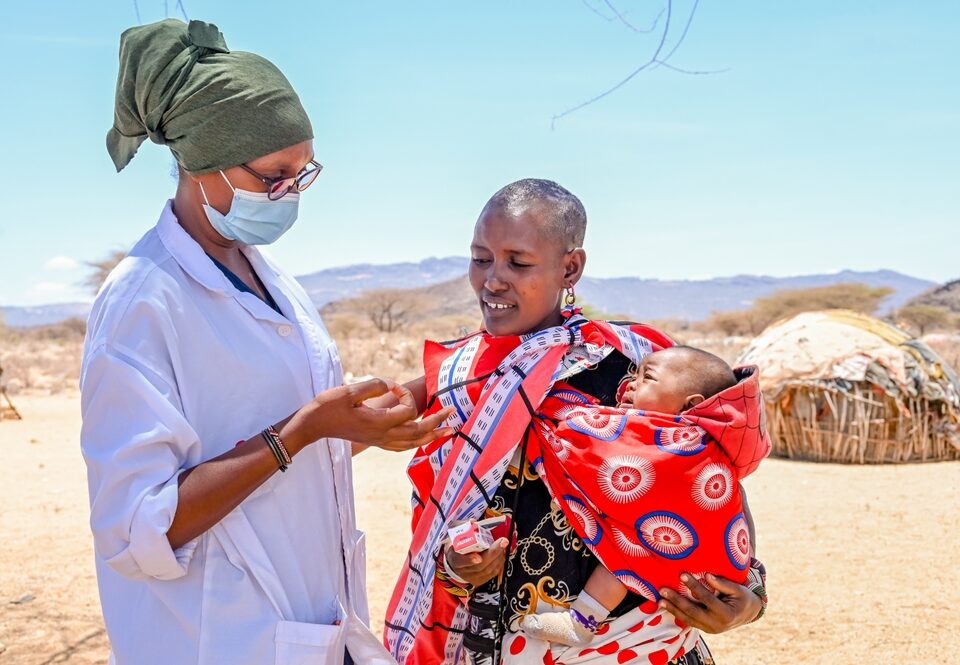
Kenya has one of Africa’s most extensive networks of community health workers (CHWs). These trained volunteers provide basic healthcare access in rural Kenya, educate communities about hygiene and disease prevention, and assist in maternal care. They are often the first point of contact for patients before they reach formal medical facilities, making them essential to healthcare access in rural Kenya. Every day, CHWs are able to provide life-saving care and make early interventions that prevent future problems. To find CHWs near you, you can search CHW Central.
Traditional Medicine Is Still Popular
Many rural Kenyans still rely on herbalists and traditional healers, especially for chronic illnesses or spiritual afflictions. In fact, some estimates suggest that there is one traditional medicine healer for every 950 patients, where there is only one doctor per 33,000 people in Kenya. While some folk remedies have proven benefits, others can delay proper medical treatment and allow conditions and diseases to worsen. The Kenyan government and organizations like the Sollay Kenyan Foundation are working to integrate traditional medicine with modern healthcare practices to improve overall healthcare access in rural Kenya.
Maternal and Infant Mortality Rates Remain Concerningly High
Although Kenya has made progress in reducing maternal and infant mortality, rural areas still struggle. Lack of skilled birth attendants, long distances to hospitals, and cultural norms all contribute to mortality rates that are still too high. Many women give birth at home without proper medical supervision in more rural areas, highlighting a crucial gap in healthcare access in rural Kenya. Through increasing access to maternal health services, organizations like ours are hoping to provide prenatal, delivery, and postnatal care that can save lives and prevent dangerous complications.
Stockouts of Medicine Are Too Common
Even when patients reach a health facility, they may not find the medication they need due to the prevalence of stockouts. Stockouts are when a medication is unavailable for at least a day in a healthcare or medical facility. Sadly, stockouts of basic drugs like antibiotics, antimalarials, and painkillers are frequent due to supply chain issues. This forces patients to buy medicine from private pharmacies at higher prices, making it even harder for them to afford and receive the care that they need. This also presents problems for patients in rural Kenya who don’t have a second option for their care. For more resources, click here.
Help Provide Excellent Healthcare to Rural Kenya
At the Sollay Kenyan Foundation, we believe that every Kenyan’s life matters, no matter where they live in the country. Your life matters, and you matter! Sollay Kenyan Foundation is a non-profit that cares about working with communities throughout Kenya to help children, families, and communities receive equal access to the primary care and focused specialty care that they need to thrive. With your support and the support of our existing donors and volunteers, we hope to help the people of Kenya realize their full potential and thrive. To make a donation and learn more, click here.