The Causes of Cholera in Kenya
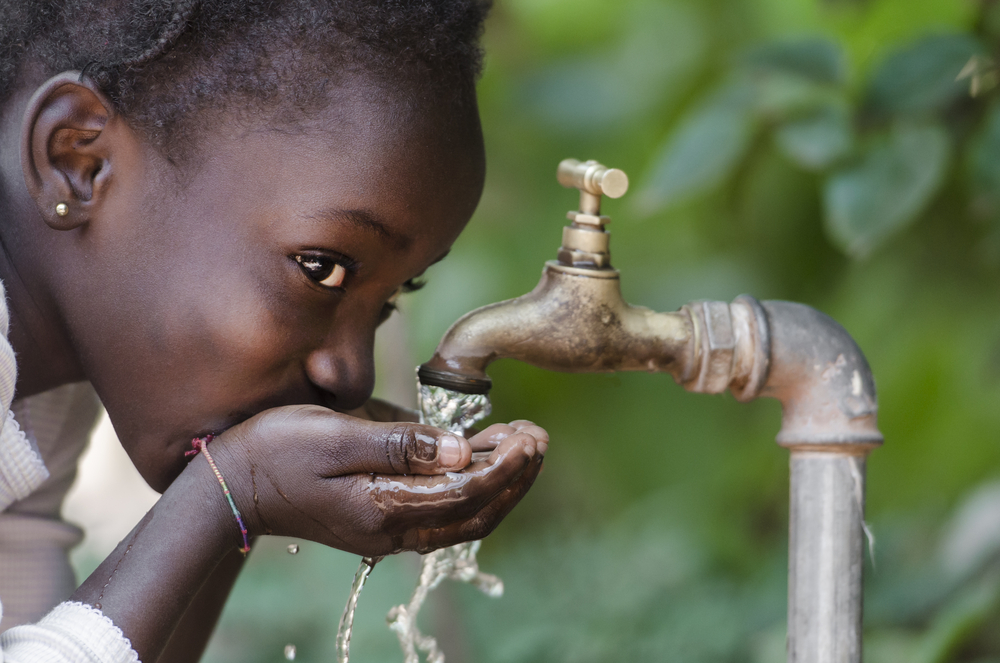
For the past seven years, Kenya has been experiencing a growing number of cholera cases. These waves of outbreaks are putting Kenyans at risk and presenting persistent public health challenges. Cholera is an illness that thrives in areas with poor sanitation and limited access to clean drinking water, and it can spread rapidly. What are some of the causes of cholera in Kenya?
Poor Sanitation and Hygiene Practices
One of the primary causes of cholera in Kenya is poor sanitation and inadequate hygiene practices. Many communities lack access to proper toilet facilities and proper sewage disposal. This significantly increases the risk of contaminating water sources with fecal matter that contains Vibrio cholerae, the bacteria that causes cholera. Additionally, insufficient handwashing facilities and practices further worsen the spread of the bacteria that leads to cholera. In densely populated urban areas, the spread of cholera can worsen rapidly.
Contaminated Water
Access to clean and safe drinking water remains a significant challenge in many parts of Kenya. Many rural and urban areas rely on rivers, lakes, and unprotected wells for their water supply. These sources are highly susceptible to cholera contamination, especially during the rainy season when runoff can carry fecal matter into these unprotected water supplies. The lack of proper water treatment facilities means that many people consume water that is contaminated, leading to additional outbreaks of the disease.
Climate Factors
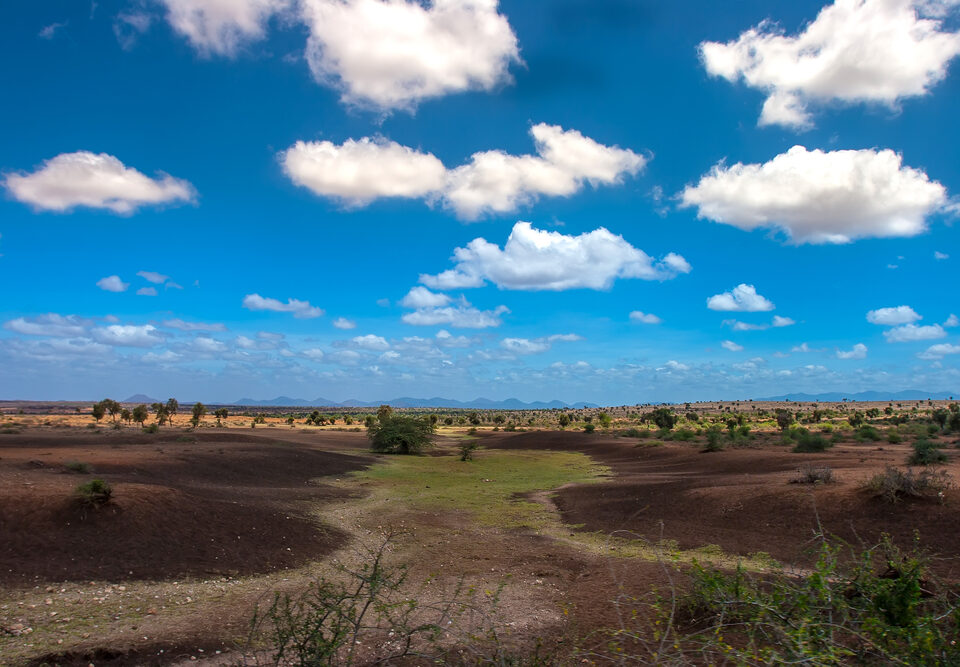
Kenya’s climate also plays a significant role in the transmission of cholera. Kenya experiences extreme rainfall during the rainy seasons, which often leads to flooding. This year’s flooding is already leading to cholera cases rising in many parts of the country. Floodwaters can overwhelm sanitation facilities, causing them to overflow. Additionally, warmer temperatures from climate change can enhance the survival and multiplication of cholera bacteria, increasing the risk of outbreaks.
Overcrowding and Other Socioeconomic Factors
Overcrowding and living conditions in Kenya also contribute to the spread of cholera. Poverty, overcrowding, and limited access to preventative healthcare services all make it more challenging for communities to stop the spread of cholera. In informal settlements, where living conditions are often poor, the risk of cholera transmission is significantly higher. The spread of cholera in Kenya can be particularly aggressive in these areas.
Public Health Infrastructure
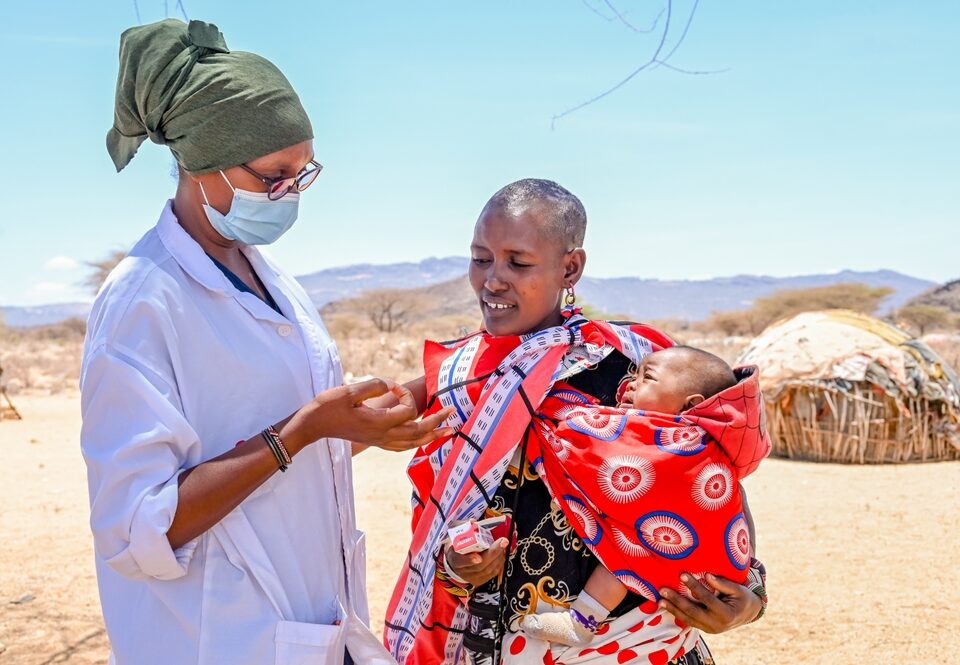
Finally, while Kenya has made strides in improving its public health infrastructure, challenges remain in the timely detection of cholera and the response to cholera outbreaks. Limited resources and logistical challenges, like the recent doctor’s strike, can make it harder to aggressively detect and treat cholera. In many parts of the country, healthcare facilities are also overwhelmed, which can lead to inadequate treatment of cholera patients and further spread of the disease.
At Sollay Kenyan Foundation, we are constantly working to improve the health of all Kenyans and stop the spread of diseases like cholera in Kenya. With your support, we can save lives.
Stop the Spread of Preventable Illnesses in Kenya
At the Sollay Kenyan Foundation, we believe that every Kenyan’s life matters. Your life matters, and you matter! Sollay Kenyan Foundation is a non-profit that cares about working with communities throughout Kenya to help children, families, and communities receive equal access to the primary care and focused specialty care that they need to thrive. With your support and the support of our existing donors and volunteers, we hope to help the people of Kenya realize their full potential and thrive. To make a donation and learn more, click here.