The Growing Energy Crisis in Kenya
Kenya is facing a growing energy crisis that is posing significant challenges to its economic development, sustainability, and the health of its citizens. The country’s energy sector is struggling to meet the increasing demand for power, which has been largely driven by rapid population growth, urbanization, and industrial expansion.
The Imbalance Between Supply and Demand
Kenya’s energy demand has been rising sharply over the past decade. According to the Kenya National Bureau of Statistics (KNBS), the population grew from about 40.6 million in 2009 to over 54 million in 2023. This population growth, coupled with urbanization and economic development, has led to a surge in energy consumption. However, the supply has not kept pace with this rising demand.
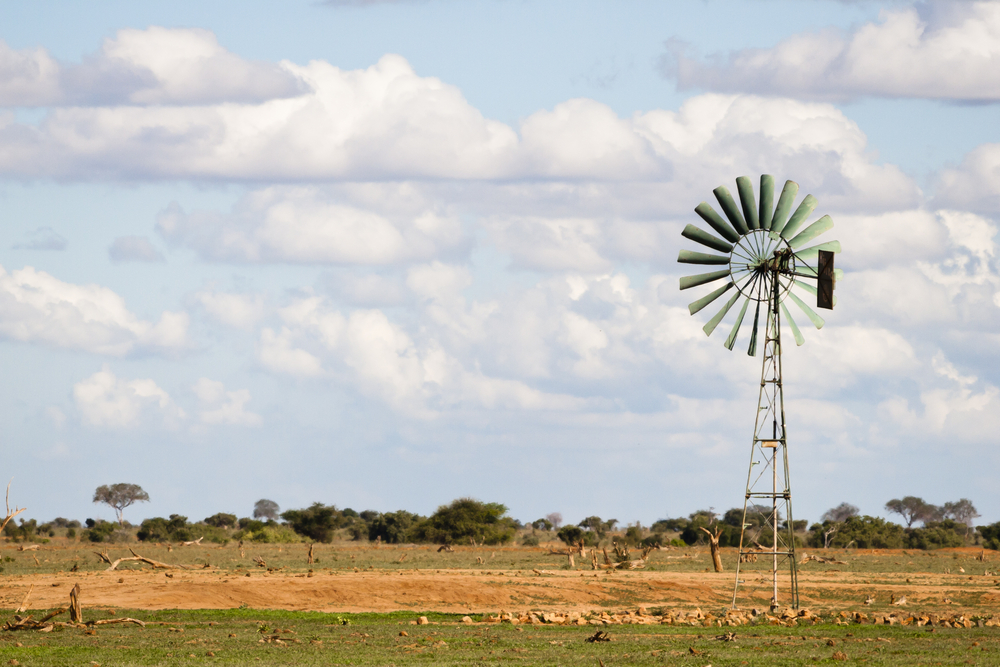
Kenya relies heavily on hydroelectric power, which accounts for about 36% of its electricity generation. While hydroelectricity is a renewable source, it is highly susceptible to climatic conditions. Prolonged droughts have reduced water levels in major dams, leading to significant power shortages. Additionally, the reliance on a single source of energy makes the supply chain vulnerable to disruption.
Infrastructure Challenges
Kenya’s energy infrastructure is largely outdated and insufficient to handle the growing energy demand. This has led to frequent blackouts and power surges. Kenya Power estimates that about 23% of the electricity generated in Kenya is lost due to transmission and distribution inefficiencies. These losses not only lead to unreliable power but also increase the cost of electricity.
Additionally, access to electricity in more rural areas remains a significant challenge. While the government has made strides in expanding electrical access, about 35% of the rural population still lacks access to the national grid. This limits economic opportunities and development in rural areas.
Environmental and Health Impacts
Finally, the energy crisis in Kenya has also led to significant environmental and health consequences. In an attempt to diversify energy sources, Kenya has been increasingly turning to thermal power plants, which rely on imported fossil fuels, and more traditional methods of heating and cooking, like firewood. This shift has raised concerns about carbon emissions and environmental pollution, as well as concerns about health.
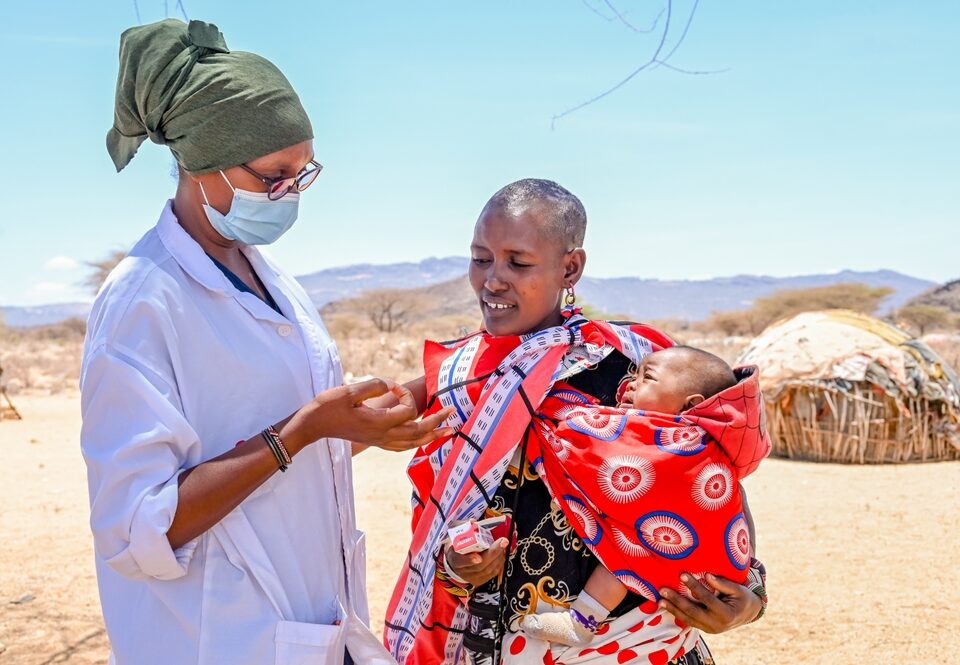
Air pollution from thermal power plants and burning wood increases the incidence of respiratory diseases, such as asthma and chronic obstructive pulmonary disease (COPD). In fact, COPD is responsible for 1.7% of deaths in the country. 68.5% of the population depends on firewood or other traditional fuels for cooking, which means that many people are being exposed to pollutants daily. Additionally, frequent power outages disrupt essential health services. Hospitals and clinics can struggle to maintain operations without a reliable power supply, which directly impacts the delivery of critical medical services. This instability hampers the effectiveness of healthcare services and puts patients’ lives at risk.
We’re Dedicated to Helping Create a Healthier Kenya
At the Sollay Kenyan Foundation, we believe that every Kenyan’s life matters. Your life matters, and you matter! Today, you have the chance to make a difference to save lives in Kenya. If every Kenyan living in America donated just $1 to the Sollay Kenyan Foundation, we would be able to save thousands of lives. We appreciate every dollar that we receive, and we thank you in advance for your generosity. To make a donation and learn more, click here.