The Troubled Transition to the Social Health Insurance Fund
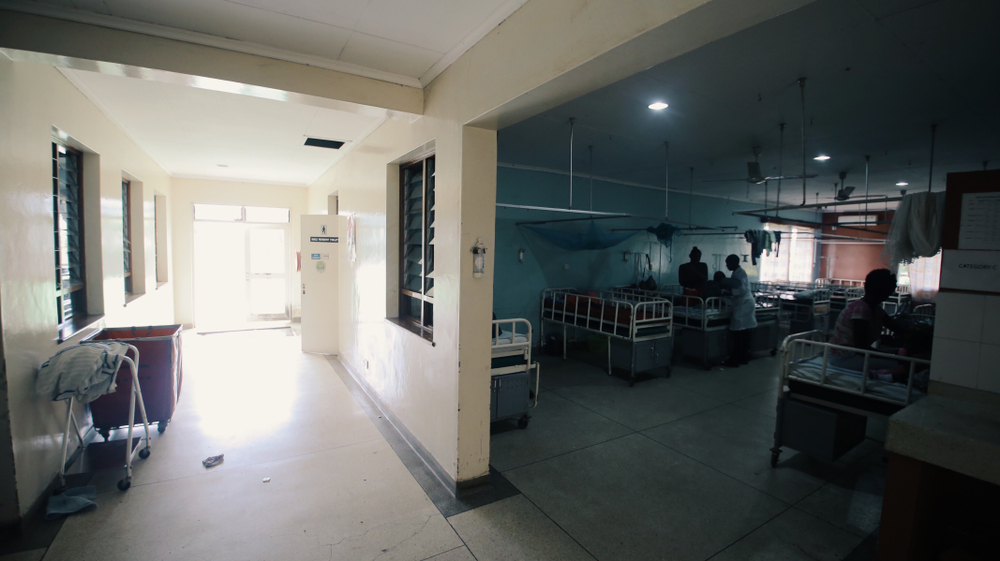
After over 58 years, Kenya recently created the Social Health Insurance Fund (SHIF) to replace the National Health Insurance Fund (NHIF). While this fund was created with good intentions, the rollout has been tumultuous and led to many Kenyans not receiving the medical care that they are entitled to. What went wrong and what might the path forward look like?
The Social Health Insurance Fund
The Social Health Insurance Fund was the project of President William Ruto, who wanted to overhaul the existing healthcare system as part of his agenda. The mission was to provide all Kenyans with access to high-quality healthcare through mandatory coverage. As part of the plan for the SHIF, Kenya wants to introduce the Primary Health Fund for more basic care on a local level, the SHIF for larger hospitals, and an Emergency, Chronic, and Critical Illness Fund for emergency and long-term treatment.
What Happened?
Unfortunately, the ambitious plans for the Social Health Insurance Fund started to fall apart almost immediately. The transition from the NHIF to the SHIF has been met with financing shortfalls, reimbursement delays, infrastructure issues, and widespread confusion that has led to patients not getting the care that they need. For example, reimbursement delays from the government have left numerous hospitals and practices in financial distress as they wait to receive the payment that they need to pay staff and stay open. This has led to some facilities refusing to participate in the new system until they receive their payment. For more information, please visit here, call 0800720601, or email info@sha.go.ke.
Additionally, there is a great deal of public confusion over what patients are entitled to. Many patients have been wrongly paying out-of-pocket expenses. While the Social Health Authority has said that it will reimburse these patients, this remains to be seen. The costs of the Social Health Insurance Fund are tremendous, and the government projects the cost of full implementation to be Ksh168 billion. However, the national budget has allocated just Ksh6.1 billion to the project. This is a major shortfall that will need to be accounted for.
As a result of SHIF confusion, thousands of pregnant women are not receiving prenatal care. These patients show up at night at hospitals and clinics in labor with no insurance, no prenatal care, and no cash funding. The risk to the mother and infant is high, with increased deaths expected to worsen. Disabilities in newborn infants are occurring as a result of delivery delays and a lack of prenatal care. Since pregnant women off HIV treatment have a significantly increased risk of passing HIV to newborns, Kenya is facing an unprecedented healthcare crisis. The Kenya Health Federation’s Wheels for Life program offers free resources for pregnant women. To get in touch with someone at Wheels for Life, call the 1196 toll-free line or email wheelsforlife@khf.co.ke.
What Might Happen?
There is no way to predict the future, but the government has begun to acknowledge the challenges with the rollout. The health minister is encouraging Kenyans to enroll in the program, and the president renamed the program Taifa Care in the hopes that more Kenyans and healthcare providers will get on board. There are over 15.2 million Kenyans currently registered through Taifa Care, and the government hopes that additional providers will get on board as the program expands.
One thing is certain—Sollay Kenyan Foundation will be here to support as many Kenyans as possible. Whatever the future holds, we will be here to help save lives and provide critical care.
Help Protect Kenyan Access to Healthcare
At the Sollay Kenyan Foundation, we believe that every Kenyan’s life matters. Your life matters, and you matter! Sollay Kenyan Foundation is a non-profit that cares about working with communities throughout Kenya to help children, families, and communities receive equal access to the primary care and focused specialty care that they need to thrive. With your support and the support of our existing donors and volunteers, we hope to help the people of Kenya realize their full potential and thrive. To make a donation and learn more, click here.